Zirconia Dental Lab Work, From Single Crowns to Full Arches
Istar Digital Dental Lab is a zirconia dental lab for dentists, clinics and dental labs. We design, mill, sinter, stain, layer and polish zirconia crowns, bridges and veneers in our own labs in Shenzhen and Huizhou, from a single molar to a full arch. Each case starts with the same question: which zirconia suits this tooth, this bite and this space? If your prescription and the case point in different directions, we tell you before milling starts.
Choosing a Zirconia Dental Crown, Bridge or Veneer
Strength and translucency pull in opposite directions. The more translucent a zirconia, the weaker it tends to be, a trade-off traced through 15 years of dental zirconia development. So we choose the zirconia from the load and the space first, then build the esthetics on top. Every zirconia dental crown and bridge we make is one of four builds, and veneers have their own place in the range.
Monolithic Zirconia
Best for: molars, bruxism, heavy occlusion, short clearance and long posterior spans. One uniform piece of zirconia, and the strongest option we make. With no veneering porcelain, there is nothing to chip.
Think twice: on a single anterior crown that has to blend in. Its translucency is even and fairly flat.
Multilayer Zirconia
Best for: anterior and premolar crowns that need strength plus a natural shade transition. Still a single piece of zirconia, but the blank carries its own gradient: denser at the cervical, more translucent toward the incisal edge. This is our first choice for full-contour anterior work.
Think twice: on the heaviest loads and longest spans, where the stronger monolithic zirconia is the safer call.
Micro-Layered Zirconia
Best for: anterior crowns that have to look natural and still take real bite force. A full-contour zirconia crown with a thin layer of porcelain on the facial surface only. The zirconia keeps the strength; the porcelain adds the depth and incisal effects a full-contour crown can’t quite reach.
Think twice: where there is no facial room at all. Full-contour multilayer is the better fit there.
Layered Zirconia
Best for: high-esthetic anterior crowns and bridges where the occlusion is stable. A zirconia core with porcelain built up by hand. It gives the most lifelike result and the most room for characterization.
Think twice: under heavy function. Layering needs more reduction, and the porcelain is the weak point: in a systematic review of 6,370 zirconia restorations, porcelain-veneered zirconia had more failures and complications than monolithic zirconia, chipping above all.
Zirconia Veneers
Best for: veneers that have to stand up to a heavy bite, where a glass-ceramic veneer would be at risk. A zirconia veneer is stronger and more wear-resistant than a glass-ceramic one. Every anterior veneer case comes to you as a design preview before production.
Think twice: where the bite is light and esthetics come first. Pressed e.max is usually the better veneer there: it is more translucent, and glass ceramic can be etched for bonding, which zirconia can’t. → E.max Veneers page
→ Material options and indications for both full-contour builds: Full Contour Zirconia page
What Our Full-Contour Dental Lab Checks Before Milling
Three things decide whether a zirconia crown will hold up and look right: the room you’ve left, the bite it has to take and the stump underneath it. Our technicians check all three on every case.
Space
Full-contour zirconia can be milled as thin as 0.5–0.6 mm where clearance is tight. That figure is a minimum, not a target: the more thickness you leave, the stronger the crown. Layered and micro-layered zirconia need extra room for the porcelain. If the scan shows less space than the build on your prescription needs, we tell you which tooth to reduce and by how much, or suggest a zirconia that works in the room you have.
Load
For bruxers and heavy biters, we design monolithic zirconia with more occlusal thickness and broad, even contacts that spread the force across the crown. The evidence backs zirconia here: in a three-year randomized trial of zirconia and lithium disilicate molar crowns, sleep bruxism had no detectable effect on complications, survival or success.
Stump Shade
Zirconia doesn’t fully hide what’s underneath it. A dark stump, or a metal post without an opaque layer, can show through, and more translucent zirconia shows more. Note the stump shade on the prescription. For a dark substrate, we’ll lean toward a less translucent zirconia, or suggest PFM, where the stump shade doesn’t matter.
Zirconia Bridges, Up to a Full Arch
We make tooth-supported zirconia bridges from three units up to a full arch. Span changes the material: long and posterior spans go in our stronger zirconia, not the most translucent options.
Design Preview on 4+ Units
Every bridge of four or more units comes to you as a design preview before milling, with connector size, abutment support and the path of insertion already checked.
Sintering Long Spans
Long spans are sintered on multi-point supports so they can’t sag under their own weight, and every long bridge is seated on the model again after sintering.
Span Limits & Connectors
→ Span limits, connector sizes and pontic design: Crown and Bridge Dental Lab page, “Planning a Bridge”
Fit and Shade That Hold From Case to Case
A zirconia crown is milled oversize in its pre-sintered state and shrinks as it sinters. Whether it seats depends on how well that shrinkage was predicted, and whether your tenth crown matches your first depends on how tightly the process is held. We hold both.
Shrinkage Compensated, Batch by Batch
We set shrinkage compensation from the manufacturer’s data for each blank and check it with a standard test piece on every batch. A new batch of zirconia runs test pieces before it goes into production.
Locked Sintering Programs
Temperature, heating rate and hold time are fixed for each zirconia. Every furnace load is logged, furnace temperatures are checked with test pieces at set intervals, and an abnormal firing curve stops production until it’s resolved.
Polished, Then Glazed, or Polished Only
By default, we polish every zirconia restoration and then glaze it. If you’d rather have a polished surface only, put it on the prescription. For the opposing tooth, what matters is a well-polished surface: an umbrella review of antagonist enamel wear found that polished monolithic zirconia wears opposing enamel about as much as natural enamel does, or less.
The Same Team on Your Cases
Our four labs work with nearly the same materials, but each has its own technician team. We can compare the teams’ results on your work and keep your cases with the one you prefer; larger accounts can have a dedicated team. Your preferences for contacts, occlusion, margins and esthetics are kept on file in writing, and repeat orders are made against the same confirmed shade references, material batch and reference samples.
→ Our full inspection process: Crown and Bridge Dental Lab page, “How Each Crown and Bridge Is Made and Checked”
Zirconia Brands and Batch Records
A zirconia dental lab should be able to tell you exactly what went into your crown. We work with imported zirconia from Zirkonzahn, 3M (Lava) and Ivoclar (Wieland), and with Aidite zirconia made in China. If you prescribe a specific brand, we produce in that brand.
For any case, we can send you the brand, origin, batch number and certificate of the zirconia we used, together with the manufacturer’s instructions for use, which list the indications the material is made for. Every case number also traces back to the technicians, equipment and inspection results behind it. We never switch to a different zirconia without your consent.
Zirconia Work for Dental Labs
If your lab layers in-house but needs a full-contour dental lab behind it, send us part of a zirconia case or all of it: CAD design only, milling and sintering of your designs, or porcelain layering, glazing and polishing on your zirconia. We accept editable exocad and 3Shape files. Work goes out under your name, and we never contact your dentists.
Working With Our Zirconia Dental Lab
Start With One Zirconia Case
The quickest way to judge a zirconia dental lab is to seat its work. Send a posterior monolithic crown to check fit and contacts, or a single central incisor in multilayer or micro-layered zirconia to check shade. Ask for QC photos before it ships. Single trial cases are welcome; an ongoing partnership works best with a regular flow of cases.
Turnaround and Rush
Routine zirconia crowns and bridges take 2–3 working days in our labs, counted from the day a complete case arrives. If you send 10 or more cases a month, rush service is free for every case type. We guarantee a rush case’s ship date; arrival depends on transit and customs.
Quotes and Price List
The number of units sets the base, the zirconia you choose sets the unit price, and implant components and design complexity add to it. Quotes are itemized to your requirements, and you can confirm the full cost before production. Your sales manager sends the current price list on request.
Warranty and Credentials
Zirconia crowns and bridges carry a 3-year warranty, and we pay to ship finished work and remakes back to you (Remake and Warranty Policy page). Istar Digital is an FDA-registered establishment, Registration Number 3039441248. Our labs run an ISO 13485 quality management system, restorations for the EU follow the MDR custom-made device procedure, and you’re welcome to tour our labs in person or by live video.
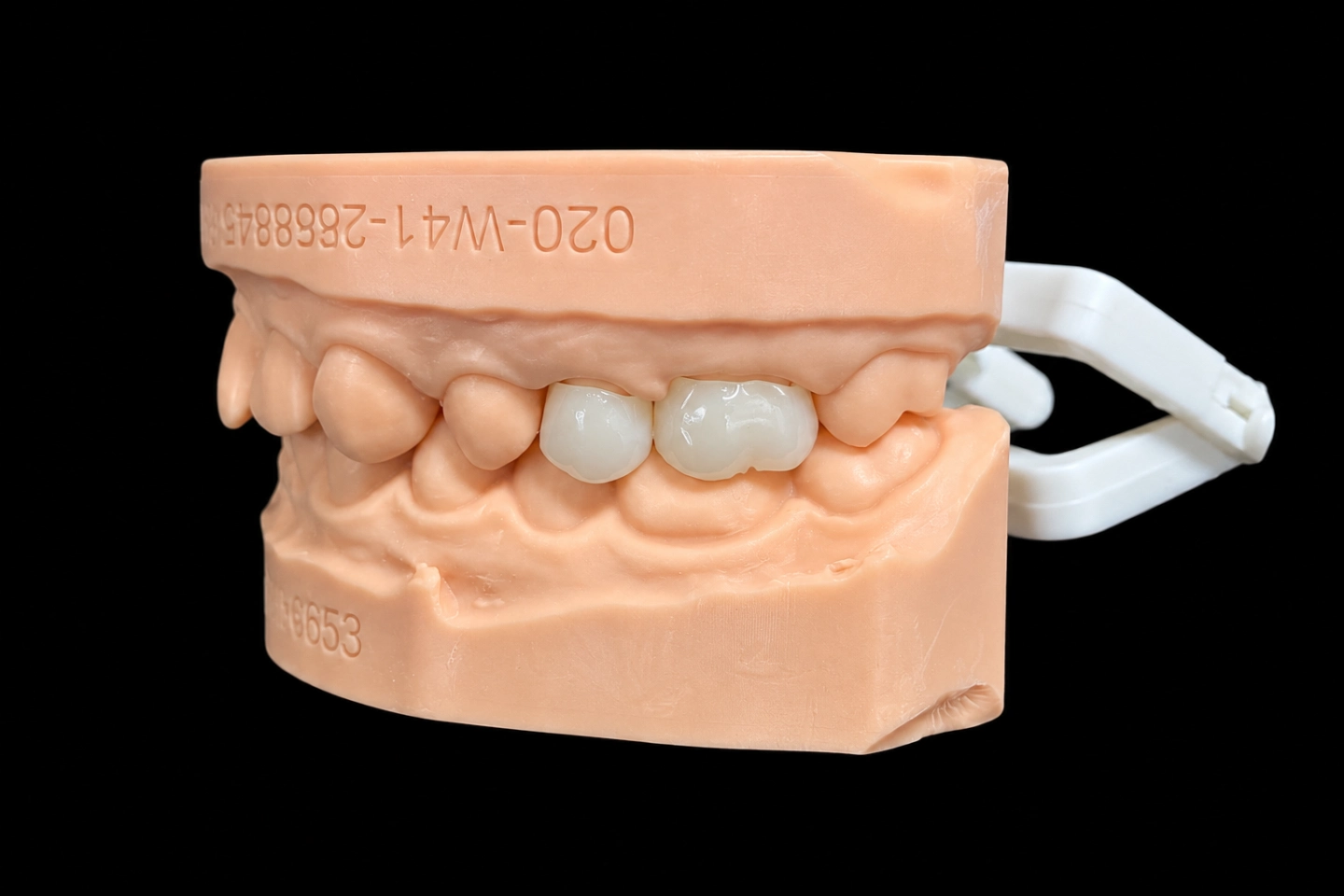
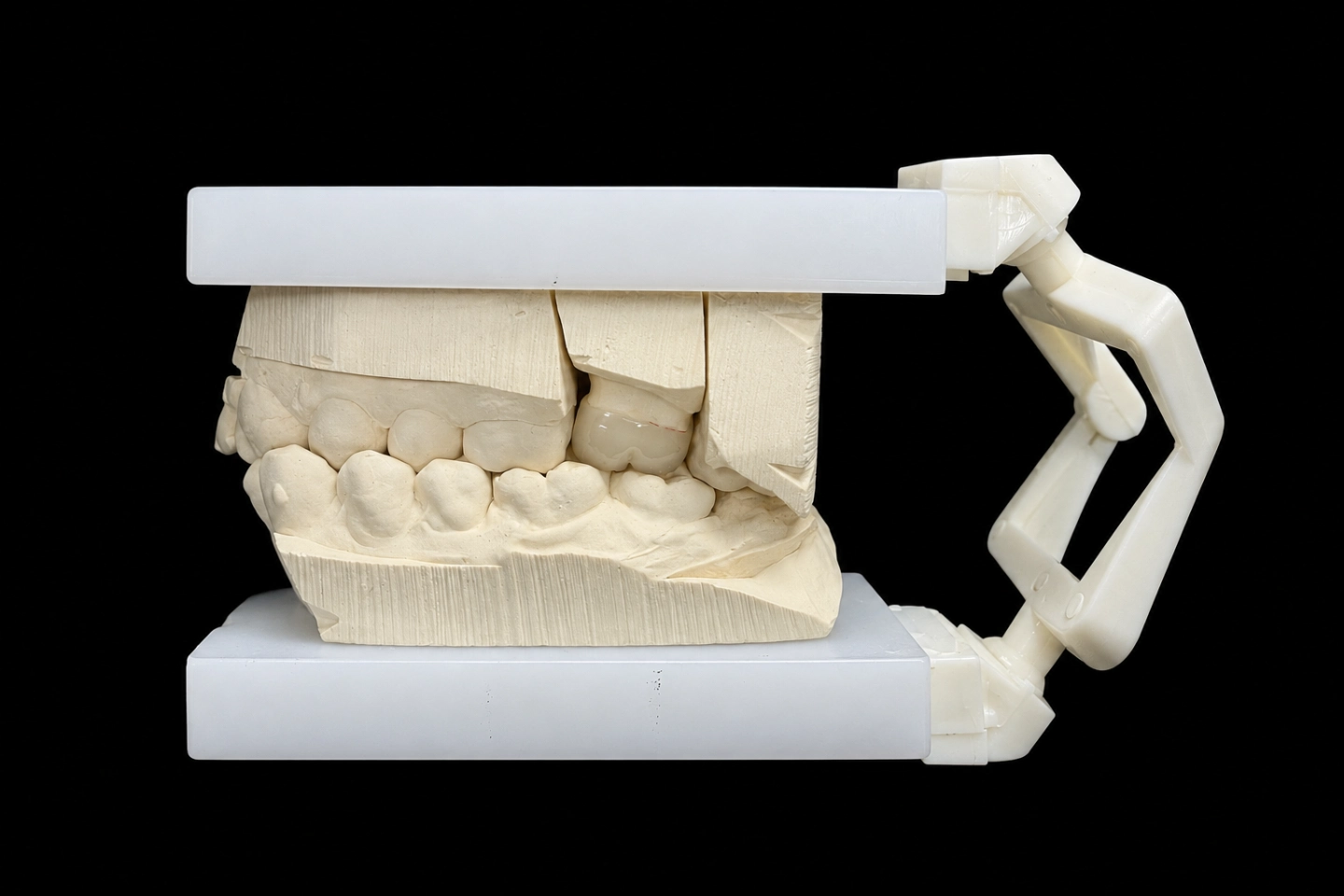
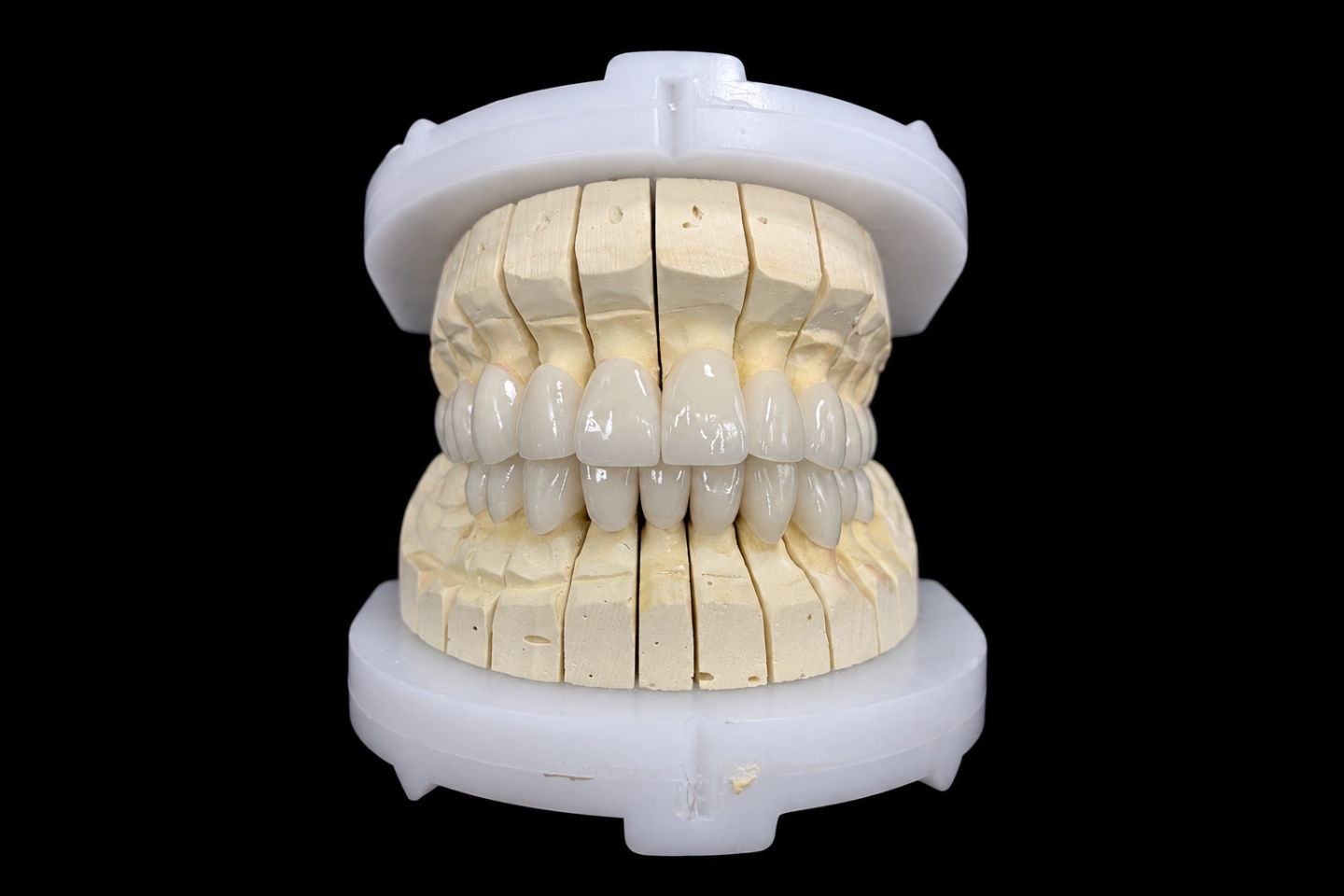
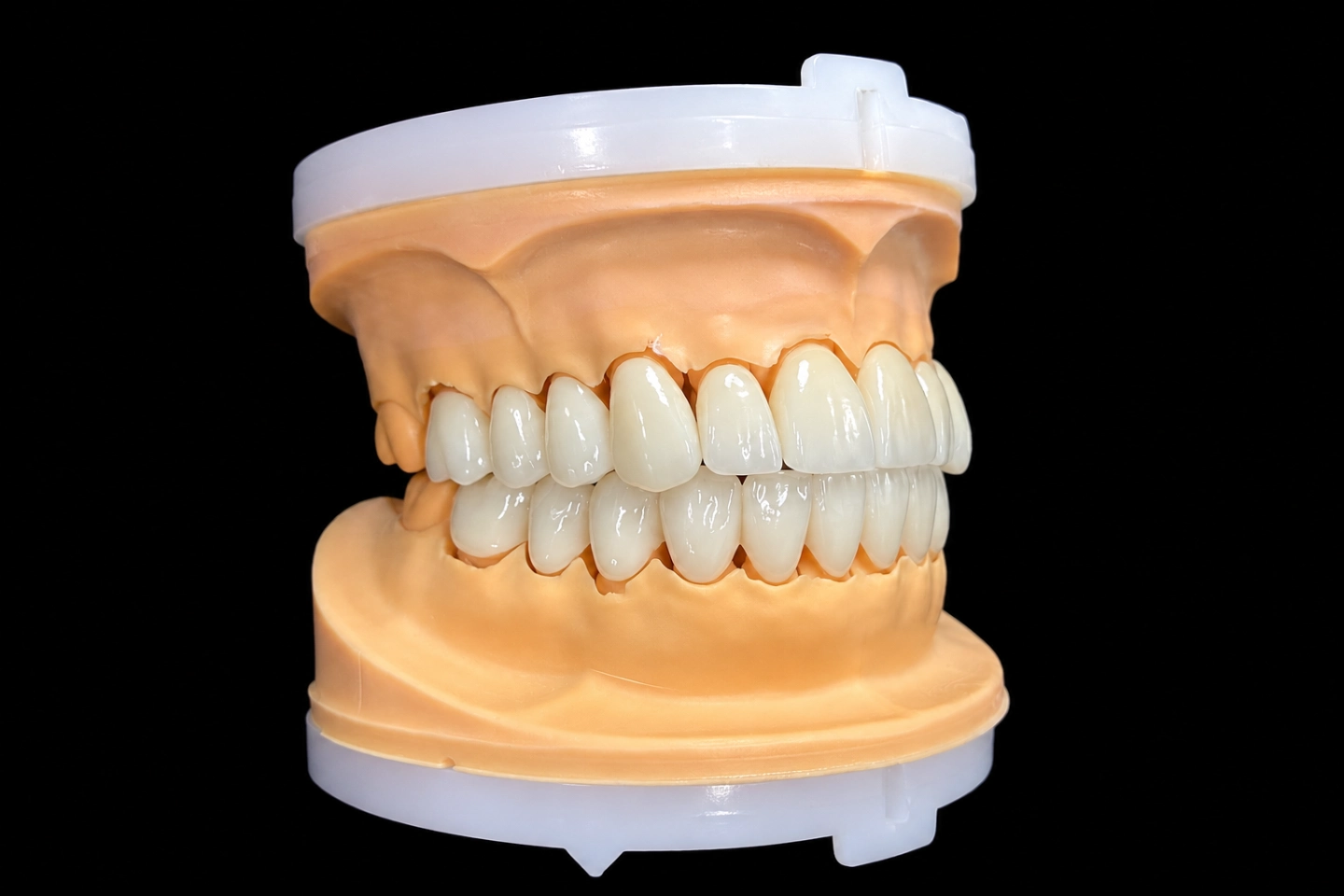
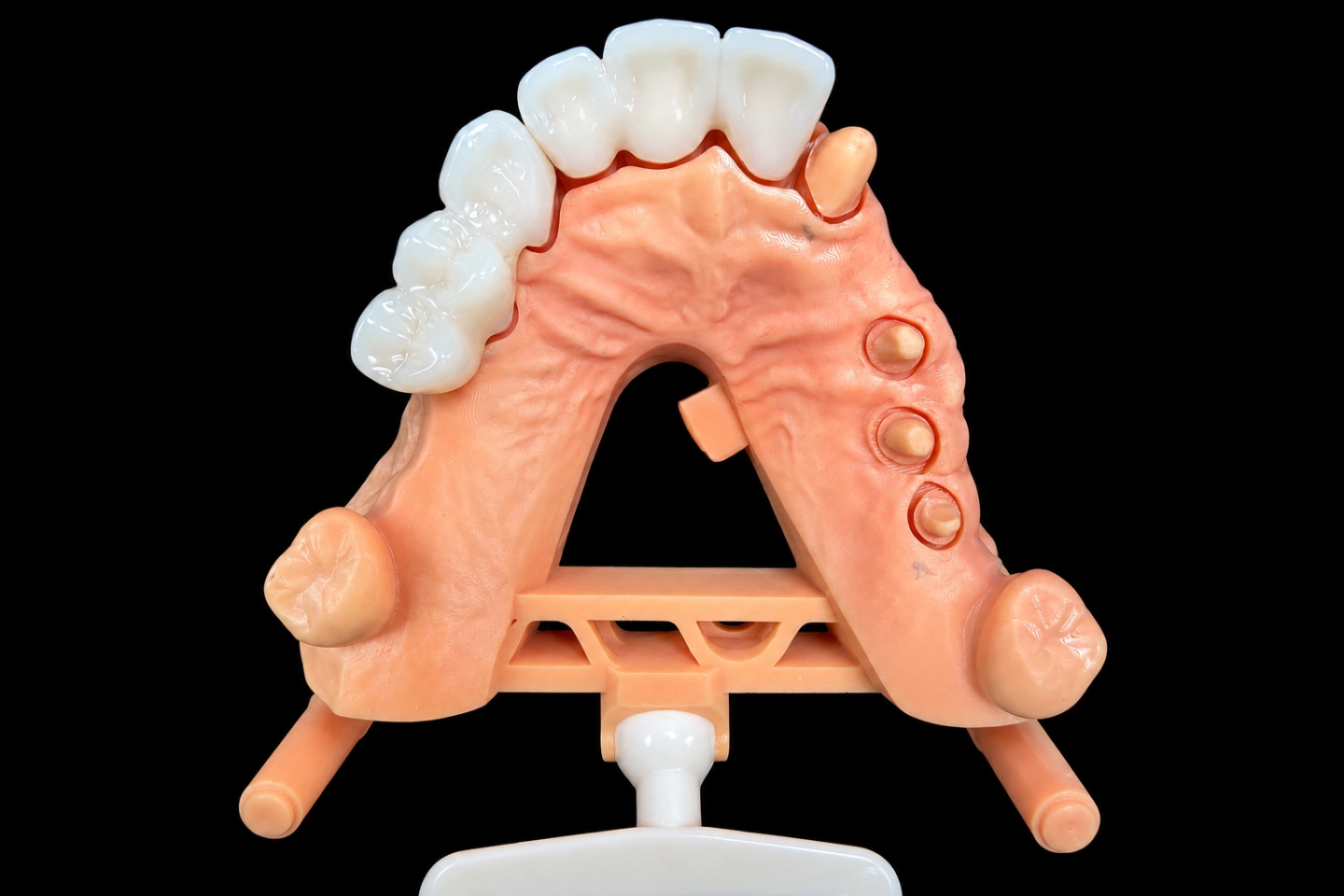
Cases from our lab
Frequently Asked Questions
We adjusted a zirconia crown chairside. How should we finish it?
Grinding leaves scratches and a transformed surface layer on zirconia, and a glaze won’t survive the adjustment. Polish the area step by step with a zirconia polishing kit, coarse to fine, until the scratches are gone. Don’t seat a rough ground surface against enamel.
Can we approve the design of a single zirconia crown before it's milled?
Yes. Ask for a design preview on any case, and we’ll send screenshots or the STL by email or in your case chat. A design includes two free revisions, and the final decision is yours. Approval adds 1–2 working days to the case.
Which scan files work best for anterior zirconia?
Send a color PLY for anterior and other esthetic cases, so we can see shade, surface texture and gingival color. STL is enough for a simple posterior crown. Any intraoral scanner that exports open files works. → Send a Case guide
Do you make zirconia restorations on implants?
Yes. Zirconia crowns on Ti-bases and full-arch zirconia bridges go through our implant department, which checks the implant system, platform and connection before design. → Implant Restorations page
Send Your First Zirconia Case
Tell us your scanner, the zirconia builds you prescribe most, any brand you want us to use, your approximate monthly case volume, and whether you’d like batch records with each case. Your sales manager will reply with the price list and set up your account, so your first zirconia case has everything it needs when it arrives.