Full Contour Zirconia Crowns and Bridges from a Full-Service Dental Lab
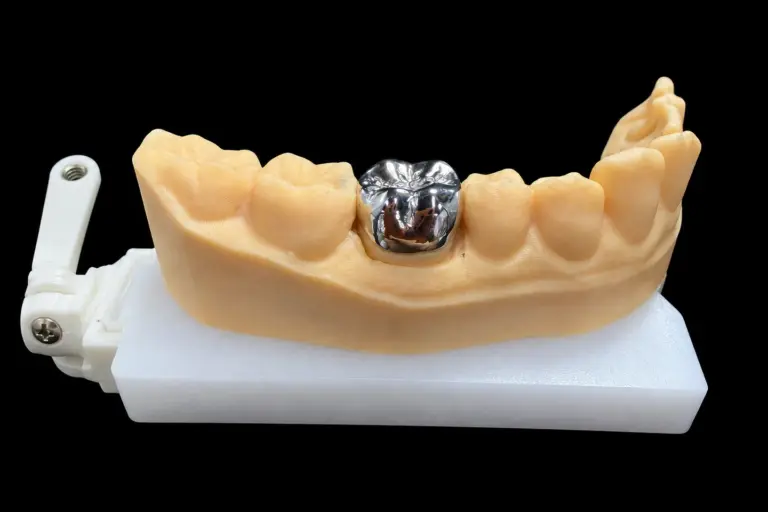
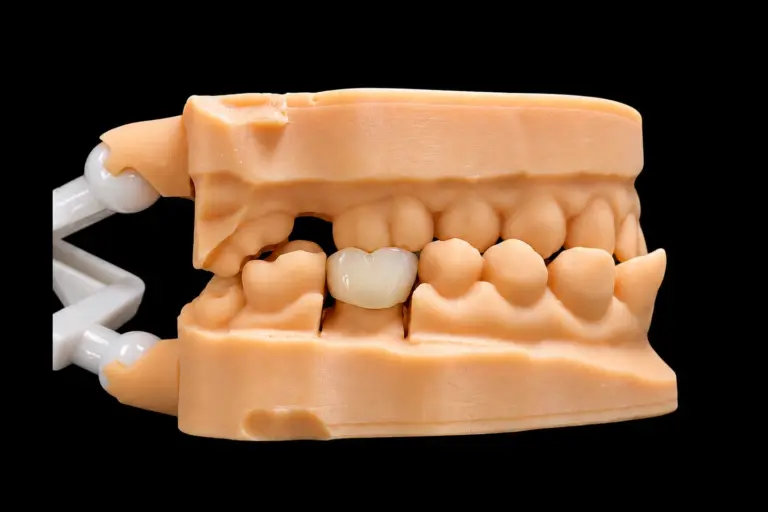
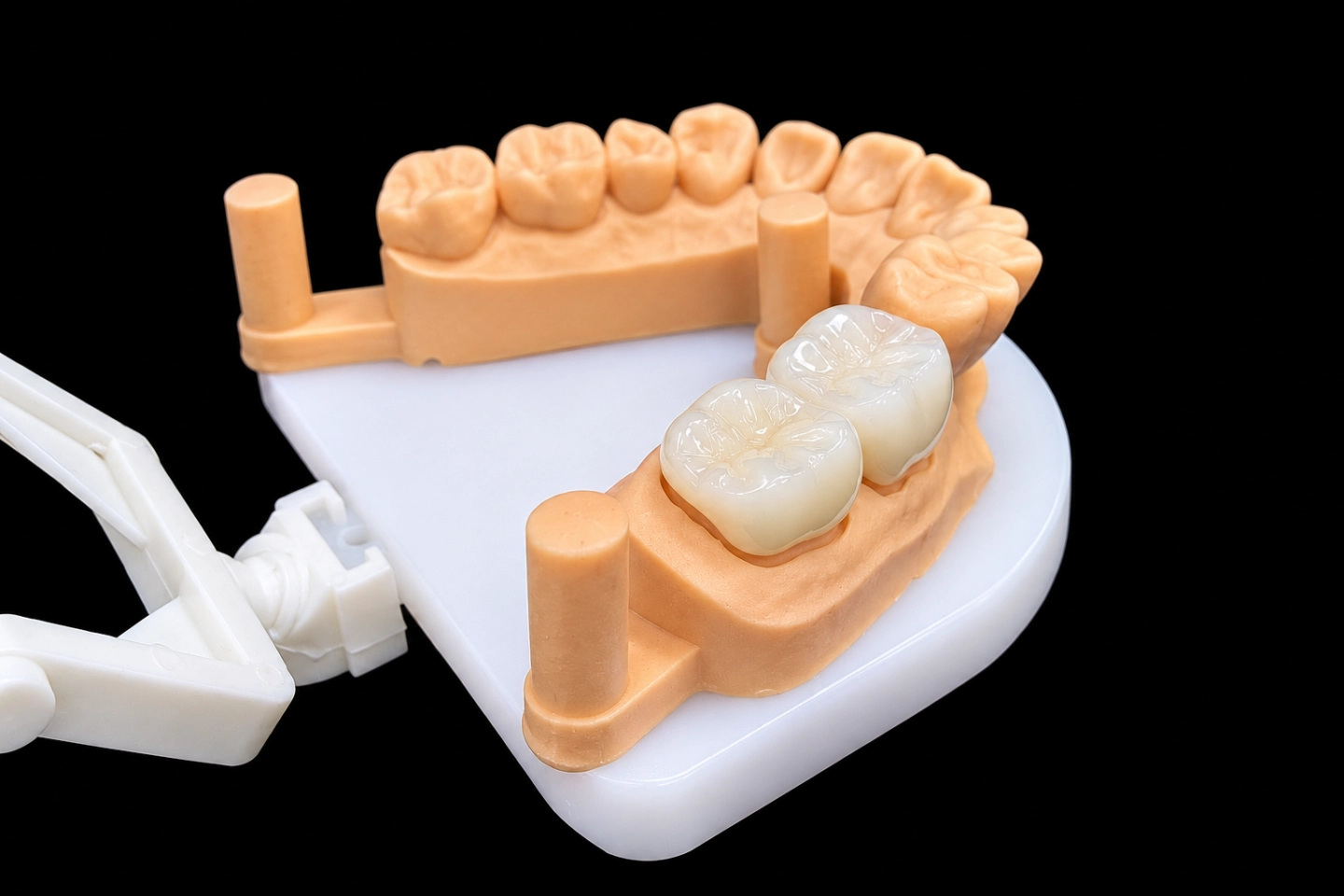
A full contour zirconia restoration is milled from a single block of zirconia and ships without a layered porcelain veneer. Every occlusal, axial, and incisal detail is cut and finished in the same material, so there is no veneer-to-core interface where layered zirconia tends to chip. For dentists and dental laboratories outsourcing to Istar Digital, that choice is less about marketing and more about which failure modes you want to design out of your remake log.
You are past the “what is monolithic” question, whether you sit at the chair, at the design station, or at the purchasing desk. You know what the material is. What you are deciding is whether to send a case 7,000 miles and trust what comes back.
The restoration itself
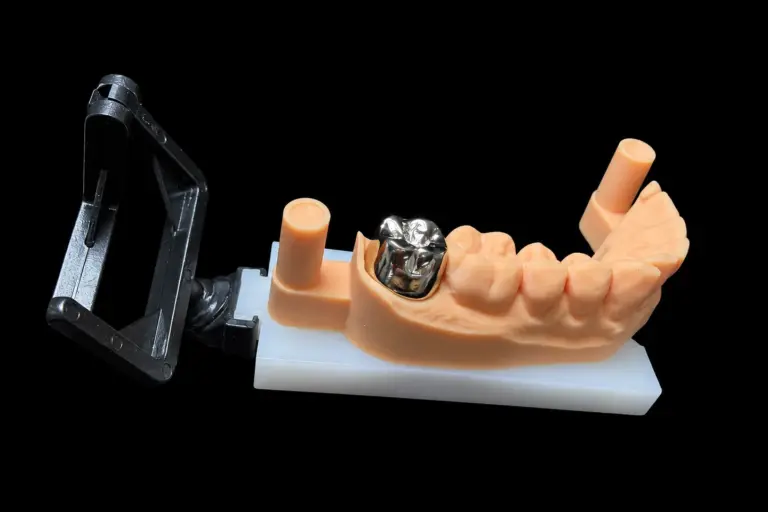
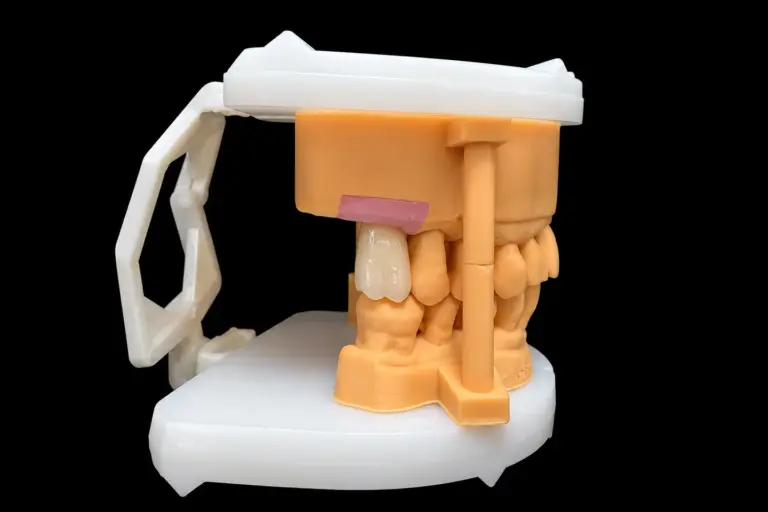
A full contour (also called monolithic) zirconia crown is cut from one zirconia puck, sintered, finished, and shipped. Because the occlusal surface is zirconia rather than a layered feldspathic or lithium disilicate veneer, there is no veneer chipping as a failure mode. The restoration can still fracture, debond, or come back for an occlusion adjustment; a 2019 clinical review summarizes the current survival and complication profile (Kontonasaki et al., 2019). We make these every day. What decides whether a case goes smoothly is operational rather than academic: a margin that can be read on the die, a connector with enough cross-section, a shade that does not drift.
When a full contour zirconia crown is the right call
| Case profile | Why full contour fits |
|---|---|
| Posterior tooth, heavy occlusion | Occlusal surface is zirconia, so veneer chip is removed as a failure mode |
| Reduced interocclusal space | Can be prescribed thinner than layered ceramics while staying within the material manufacturer’s minimums |
| Patient under an occlusal guard for parafunction | Pairs well with a protective splint. Published outcomes for unguarded bruxers are thinner than the marketing suggests |
| Long-span posterior bridge up to 5 units | Within the span envelope our team supports, with design constraints on connector cross-section |
| Allergy or sensitivity to base metal alloys | No metallic substructure, so there is no metal to contact tissue or show through at the gingival margin |
Where we steer you to a different material: single anterior central with high translucency demand, Maryland-style bonded wings, and any case where the opposing dentition is unrestored natural enamel and you want enamel-friendly wear behavior. For those we discuss layered zirconia or lithium disilicate instead.
One honest note about bruxers. The widely cited 1-year clinical study that reported no fractures across 65 CAD/CAM monolithic zirconia crowns excluded patients with bruxism from enrollment. Its overall success rate was 98.5%, with one crown showing marginal discoloration at 12 months (Konstantinidis et al., 2018). For heavy-load cases the restoration remains a sound choice, but the strongest early numbers come from a group that excluded grinders, and we are not going to pretend otherwise. Prescribe accordingly, and plan a guard.
Preparation requirements, give yourself the room
Full contour zirconia is thinner than most ceramics can go safely. That is the advantage. It is not permission to prep with no reduction. Our design team works to the material manufacturer’s stated minimums; if your prep is at or below the limit for the specific zirconia grade in your prescription, we flag it before milling rather than after.
A few points we see fail in the chair:
- Margin design. For full contour zirconia we work with chamfer or shoulder with a rounded internal line angle. We can produce feather-edge or knife-edge margins when prescribed, but we tell clinicians the same thing every time: a knife edge is harder to read on the die, harder to mill cleanly, and prone to chipping on the restoration itself. If you have a specific reason for prescribing one, send a note and we will discuss the trade-off. Otherwise, chamfer or shoulder gives a cleaner result.
- Occlusal and axial reduction. Material-dependent. Our CAD team checks the digital die against the material minimum before we cut. If the prep is short, you get a message with a screenshot before we proceed, not a case that comes back from try-in short.
- Connector cross-section for bridges. Zirconia bridges fail at connectors more often than anywhere else. We design for cross-section first and aesthetics second. If the clinical situation does not allow adequate connector height, we recommend a different design.
What we ship, and what the box contains
For a crown and bridge case ordered as full contour zirconia, the shipment includes:
- The finished restoration, polished and (if prescribed) stained and glazed
- The CAD design file (STL) on request, which some practices archive next to the post-op radiograph for faster future remakes
- Material and batch certificate on request, matched to the specific restoration
- Shade and QC photographs on request before packing
We work with zirconia blanks from Aidite and Yucera on the domestic side, Wieland, Cercon, and 3M Lava on the imported side, and Ivoclar for the e.max line we also run. If your protocol requires a specific brand, batch, or imported-only sourcing, write it on the prescription and we will build to it.
Design and manufacturing, who touches your case
Every full contour zirconia case moves through the same in-house departments. We do not sub out to another facility. If the restoration has to be rebuilt, it is rebuilt by people who have the original design and the original material lot in front of them.
- Case intake and data review. A technician checks the scan, the bite, and the prescription for internal consistency. If something is missing or contradictory, the case is paused and you get a message within the business day. We do not guess.
- CAD design. Around 100 designers on staff. Margins are drawn by hand on the die rather than relying on automatic detection. Emergence profile and interproximal contacts are set from the prescription.
- Milling. Zirconia is milled from pucks on dedicated machines in a milling department of about 70 technicians. Cutter wear is tracked per machine; cutters are swapped on time-based rotation and after visual inspection, not on an ad-hoc basis.
- Sintering. Zirconia is sintered in dedicated furnaces following the puck manufacturer’s reference curve for that lot. New blocks are sample-fired against test coupons before being released into production.
- Finishing. For full contour cases this means mechanical polishing to a defined protocol; staining and glazing are added when the prescription calls for them. We polish instead of glaze on the occlusal surface by default because the published literature points to a polished monolithic surface as the gentler option against enamel compared with a glazed one (Aljomard et al., 2022 meta-analysis of in-vitro enamel wear studies). If you want glaze on the occlusal, prescribe it.
- Quality control. Three dedicated inspection stations: incoming case review, in-process spot check between departments, and a final independent QC release. The final station is staffed by inspectors who do not report to the production floor. Every restoration passes QC before packing. This is not a sample inspection.
- Packaging. Each case goes in a foam-lined box with the case identifier and clinic reference. Multiple cases in one shipment are packed and double-checked by two people before sealing.
Turnaround, honestly
Our normal technician build time for a crown and bridge case is 2 to 3 business days from the day we receive a complete case. “Complete” means the scan or impression plus a prescription with all required fields filled in; if your rep calls us at 10 PM our time with a design question, that question gets answered the following business morning and does not shift the start of the build clock backwards.
Three things you should know before you count on the number:
- The clock starts the day we receive the case, not the day you ship it. For a physical impression that means transit time from your office to Shenzhen or Huizhou is on your side of the clock.
- Weekends and Chinese public holidays do not count as build days. The schedule simply shifts.
- Our side of the shipment is traceable the day it leaves on DHL, FedEx, or UPS. Customs clearance in your market is not something we control, and we will not fold it into our commitment.
For rush work we hold a limited daily capacity. Call before you send a rush case so we can hold the slot. Do not assume availability.
Rework and responsibility, before you need them
Rework terms should be settled before the case ships, not after something goes wrong.
Covered under rework at no additional charge
- Marginal gap preventing proper seating
- Interproximal contact gap allowing food impaction
- Occlusion high on final try-in
- Restoration that does not seat at delivery
- Color mismatch relative to the prescribed shade
- Aesthetic flaw affecting the patient-visible surface (chipping, stain defect, glaze defect)
- Form or contour failing your try-in acceptance criteria
Not covered as free rework
- A changed shade or new target color after approval of the original prescription
- A new material or new design decision after the case has been approved
- Rebuilds driven by a replacement impression or scan where the original data was accepted and approved
Rework turnaround
Three to five business days for the production side, prioritized ahead of standard queue. Shipping costs on the rework leg are not included in the no-charge rework and are quoted separately.
Responsibility when the clinician provides the CAD design
We mill to the design file as supplied. We do not re-check the clinician’s design file for occlusal thickness, margin fidelity, or connector cross-section before milling. That is the clinician’s responsibility when the design is clinician-prepared. If the case fails to seat or has an occlusion problem traceable to the supplied design, the rebuild is on the clinician’s account. If a restoration fractures, cracks, or chips at the material level, the rebuild is on us.
We write this in plain language because the alternative, “subject to our discretion,” is the kind of answer that produces disputes.
Working with Istar Digital as a laboratory partner
A share of our client base is other dental laboratories. If you are reading this as a lab owner rather than a chairside clinician, here is how that side of the relationship works:
- White-label packaging. Our standard shipping boxes carry no Istar Digital branding. We can print your identifier, your case numbers, and your preferred labels on request.
- Single-step outsourcing. You can send us only the design, only the milling, only the ceramic layering, only the staining and glazing, or only the polishing. We will take whatever stage you need, in whatever format your digital workflow produces.
- No contact with your clinicians. Our commitment, written into the service agreement, is that we do not reach past you to the dentists you serve. An NDA is available on request.
- Factory audit. Clients can arrange on-site visits in Shenzhen or Huizhou, or video audits of the production line, on request.
Regulatory registrations and material sourcing
We hold ISO 13485 certification for the quality system. For US shipments we maintain FDA establishment registration and device listing covering custom-made dental restorations (crowns, fixed bridges, inlays, onlays, veneers, custom abutments, and the related categories). For EU shipments, custom-made dental restorations are handled under MDR Annex XIII, so we issue the custom-made declaration and maintain the technical file; a European authorized representative handles EUDAMED notification. For UK shipments, we are registered with the MHRA under the equivalent framework. These are regulatory registrations and listings. They are not product approvals or certifications, which are not issued for custom-made dental devices. Your compliance team can verify the current listings by looking up our lab name in the respective public databases.
Material certificates, including the specific zirconia brand, puck lot, and manufacturer safety data sheet, are available on request per case.
Related restorations and workflow pages
If you want to compare this restoration against the neighboring lines before you prescribe:
- Zirconia Crown for Posterior Teeth covers posterior-specific indications and prep notes
- Layered Zirconia Crown and Bridge covers the case where a layered restoration is the right call instead
- Crown and Bridge Dental Laboratory covers the broader workflow across our fixed restoration lines
- Zirconia Dental Lab covers zirconia materials, grades, and in-house capability
- Digital Dental Laboratory covers digital workflow and file formats we accept
- About Istar Digital covers the company profile, teams, and facilities
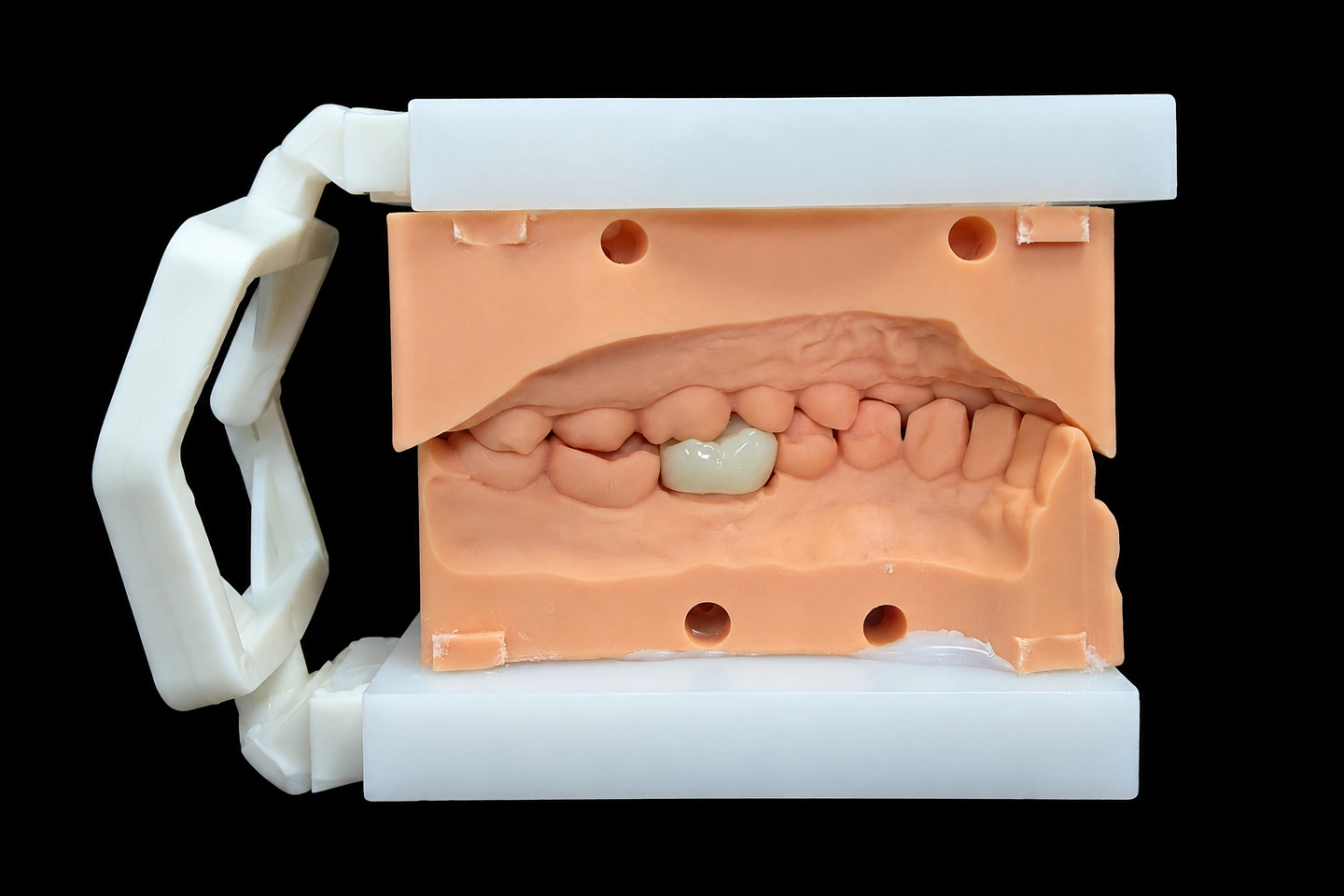
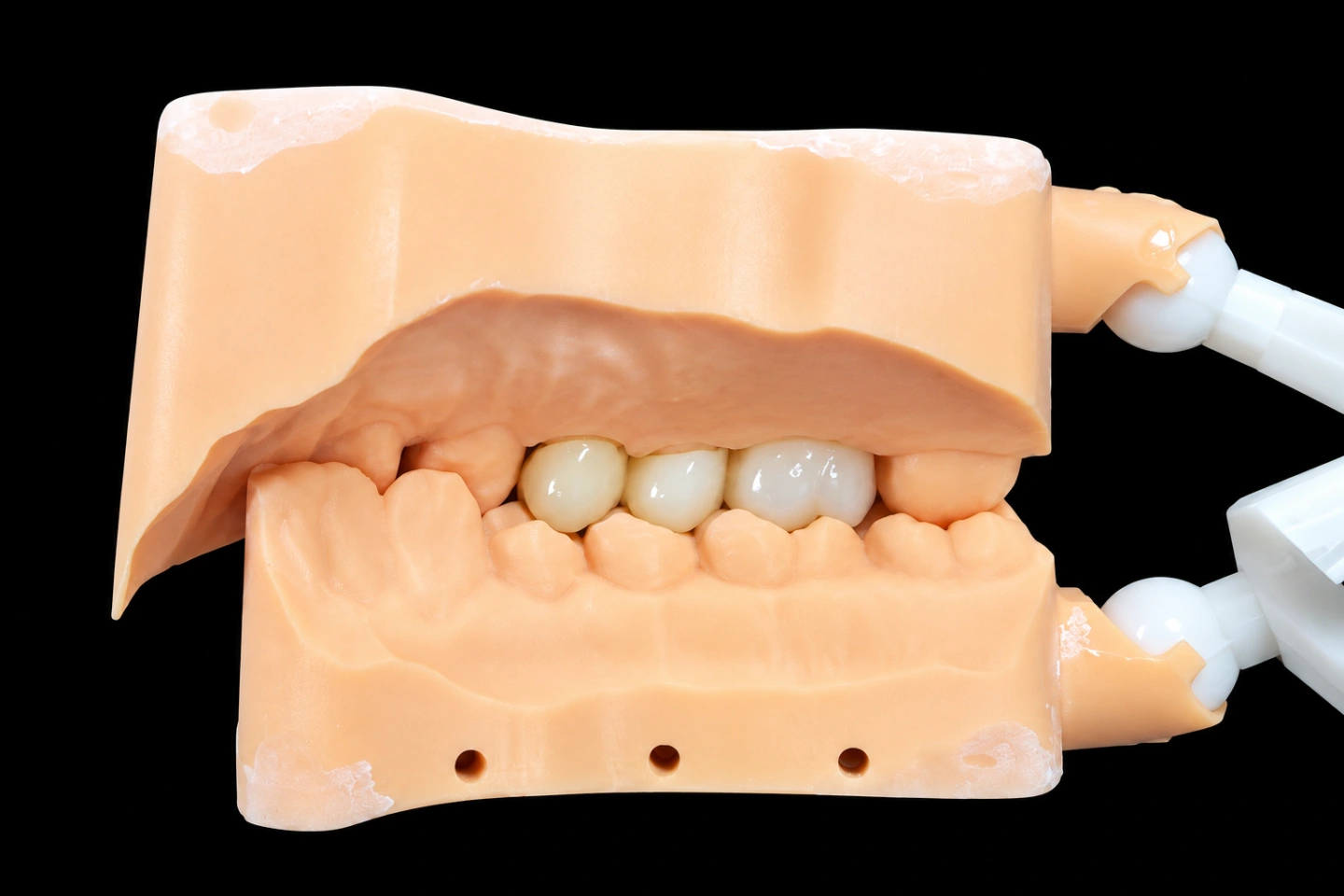
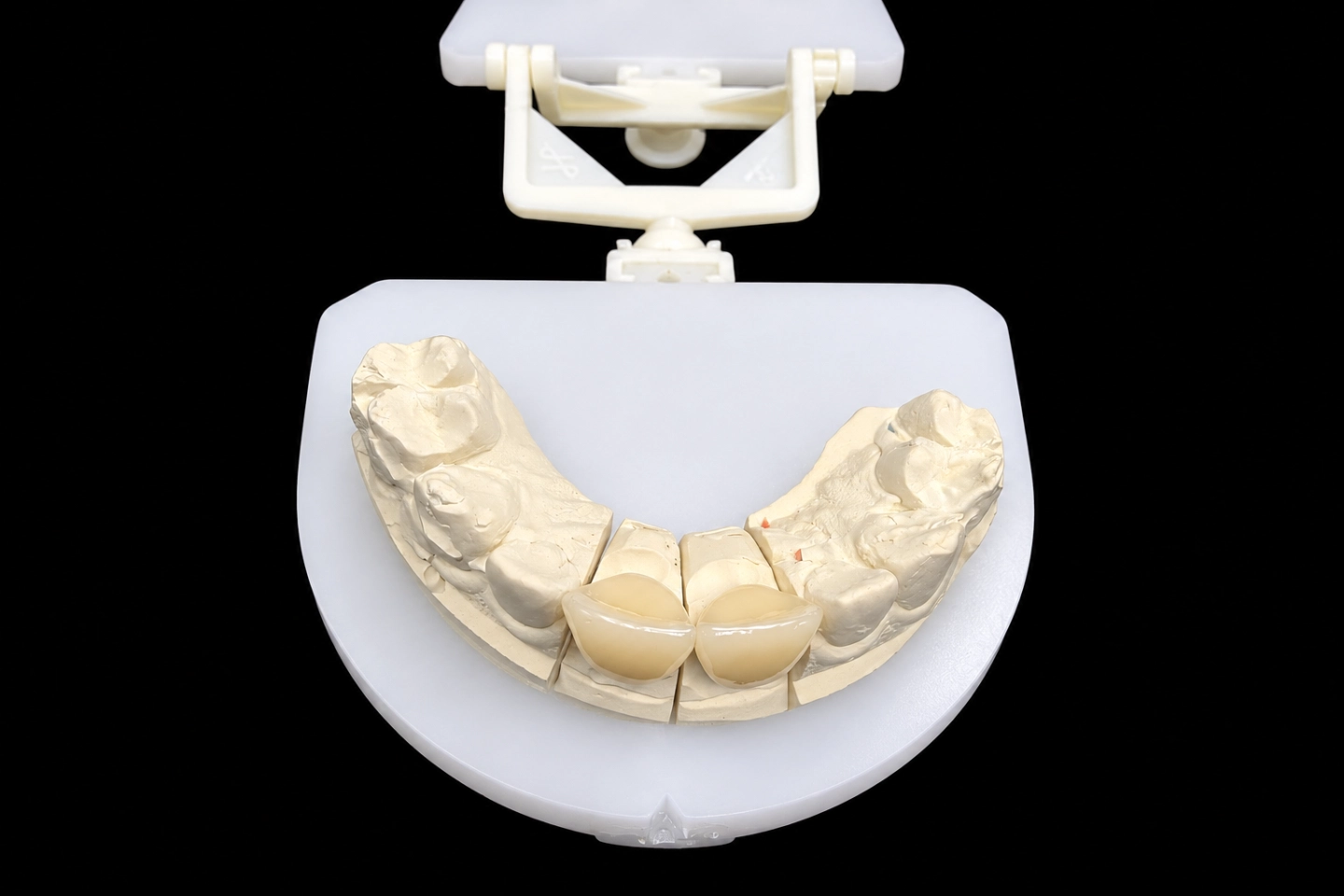
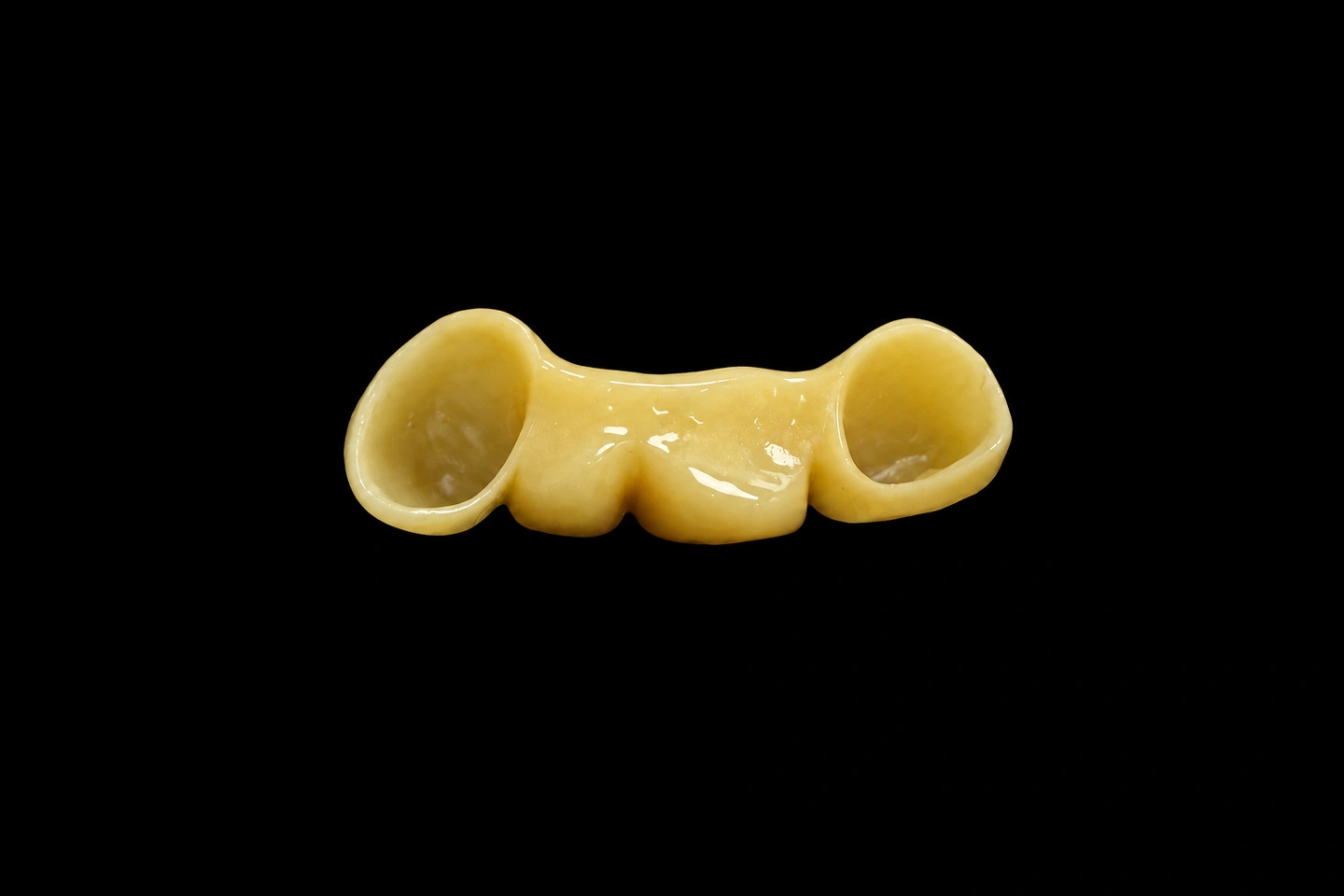
Cases from our lab
Frequently asked
Is monolithic zirconia the same as full contour zirconia?
Yes, they refer to the same type of restoration. One solid piece of zirconia with no layered porcelain veneer. “Monolithic” describes the structure (single-material); “full contour” describes the design (every occlusal and axial surface is cut from the material rather than built up with a veneer).
How thin can I prep for a full contour zirconia crown?
The minimum depends on the specific zirconia grade and the location in the mouth. For posterior monolithic zirconia we work to the material manufacturer’s stated minimum for that puck, which typically falls in the 0.5 to 1.0 mm range depending on the grade. We check the digital die against the minimum before milling and flag any shortfall before cutting.
Do you polish or glaze the occlusal surface by default?
We polish by default, following a defined stepped protocol. The published in-vitro literature points to a highly polished monolithic surface as the gentler option against opposing enamel. If your prescription calls for a glazed occlusal, write it in and we will build to it.
What zirconia brands do you work with?
Aidite and Yucera for domestic materials; Wieland, Cercon, and 3M Lava for imported. If your protocol requires a specific brand or batch, write it on the prescription. We can pull a material certificate for the exact lot used.
Can you ship direct to my clinics under my laboratory's branding?
Yes, for laboratory-to-laboratory relationships. Our standard shipping boxes carry no Istar Digital branding; we can print your case identifiers and labels, and our service agreement includes a non-circumvention clause. Shipping address can be your facility or a drop-ship endpoint of your choice as long as it is one we can collect customs documentation for.
Can I send only the CAD file and have you mill?
Yes. For CAM-only cases we need the STL design file, the material and shade specification, the tooth number, and the required thickness, with the clinician accepting that we will not re-check design parameters before milling. Rebuild responsibility for issues traceable to the supplied design falls on the clinician in that workflow.
What is your rework time?
Three to five business days from receipt of the case for rework. Shipping on the rework leg is quoted separately. The rebuild itself is not charged for any category the rework policy covers.
What file formats do you accept for digital cases?
STL, PLY, and the native exports from 3Shape TRIOS, iTero, Medit, and CEREC Primescan. If your scanner outputs a format we have not seen, send it anyway and our workflow team will convert. For physical impressions, we recommend an unpoured impression plus a separate stone pour for best accuracy.
How do I start the first case?
Send the scan or impression plus a one-line prescription. We confirm receipt the same business day with a build estimate and ship date. For a physical impression that has not been shipped yet, we can send a prepaid return label. Ask the sales team.
Send us the next case
The question is no longer whether a full contour zirconia restoration is the right choice. You know when to prescribe one. The question is whether the lab you are using can hold a 2 to 3 day build, state its rework policy in plain language, and hand over the material and batch trail for a compliance audit without three follow-up emails.
Send a case: scan or impression plus a one-line prescription to our sales team. We confirm receipt the same business day with a delivery date. Start a case through our contact page, or follow the step-by-step submission guide at How to Send.
Visit: our facilities in Shenzhen and Huizhou are open to client audits, in person or by live video.