Custom Emax Veneers, Built to Match the Tooth Beside Them
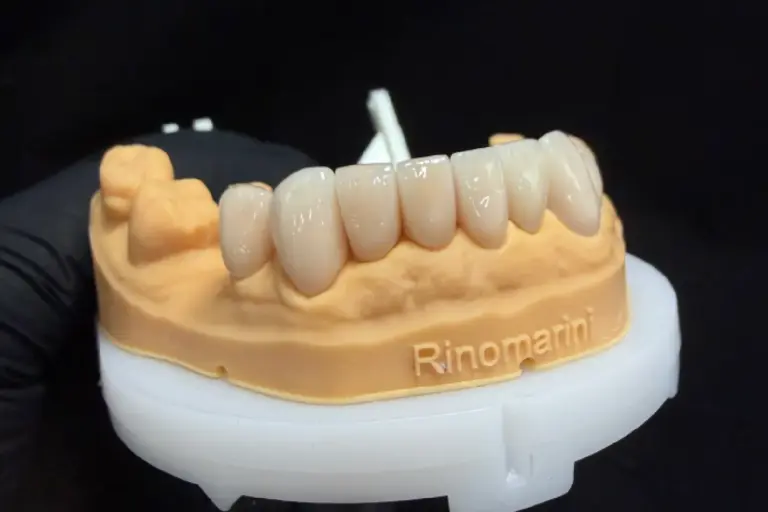
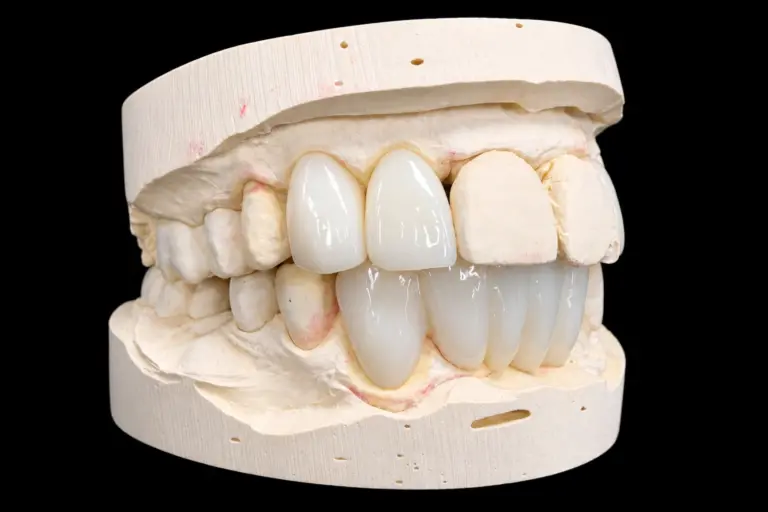
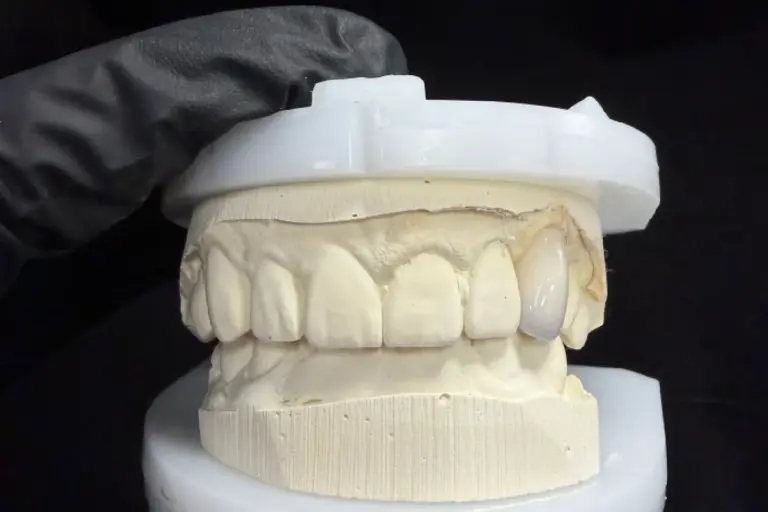
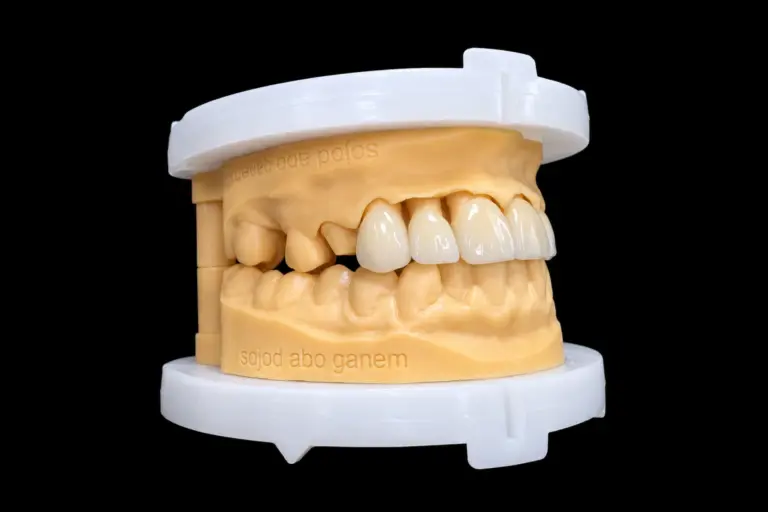
Istar Digital makes custom emax veneers in lithium disilicate for anterior teeth. Each one is designed from your scan or impression, pressed or milled in our own facility, then layered, stained, glazed, and inspected by hand before it ships. We have been building restorations since 2012 and run every stage in Shenzhen and Huizhou, so no part of your case goes to a third party.
Dentists order these veneers for single teeth, for six and eight unit smiles, and for shade matches a stock product cannot reach.
Three builds, one product line
Every emax veneer we make follows one of three build routes. The route decides how much of the tooth’s optical depth sits inside the ceramic rather than on its surface.
| Build | What the veneer is | What you see in the mouth | Where it fits |
|---|---|---|---|
| Monolithic, stained and glazed | Pressed or milled to full contour, character applied in stain and glaze | Even value, clean surface, character carried on the outside | Tight clearance, higher load, or a patient who wants a quiet surface |
| Micro-layered | Full contour core with the facial and incisal zones cut back and rebuilt in porcelain | Depth in the incisal third, a visible transition from body to edge | Most single teeth and most smile cases |
| Fully layered | Reduced framework, then dentin, enamel, and incisal porcelain built up by hand | The full optical stack, including the effects that only come from layered porcelain | Multi-unit esthetic work, and patients with specific expectations |
Which route a case gets is settled by three inputs: the space your preparation leaves, the value of the stump, and how much internal character the tooth needs. Write the route on the Rx and we build to it. Leave it open and we pick the route the case supports, then tell you which one we used and why.
What the ceramic can reproduce
These are the effects our technicians build into an emax veneer. They are the reason a case comes to a laboratory instead of coming out of a chairside block.
- Incisal translucency. The edge transmits light instead of sitting opaque, which is what makes an anterior tooth read as a tooth at conversational distance.
- Opalescence at the incisal third. The opalescent layer is built into the porcelain and fired, not painted on afterward, so the edge behaves like enamel when the light changes.
- Cervical value and saturation. The neck of a natural tooth runs deeper and more saturated than the body. Ours is built that way, not shaded flat.
- A real body transition. Dentin, enamel, and incisal porcelain meet in gradients. The eye reads depth rather than a single tone under glaze.
- Masking where you need it. Discolored or dark stumps get an opaque layer calibrated to the stump value, so the final shade lands where the prescription asked.
- Surface micro-texture. The fine texture that catches operatory light the way enamel does. Smooth and polished is not the same as natural.
- Incisal character. Wear patterns, translucency breaks, and edge effects that keep a restored tooth from looking like a matched set of tiles.
- Custom staining. Individual characterization mixed and fired for the case, not pulled from a standard recipe.
- Pink porcelain. For black triangles, gingival recession, and asymmetric gingival margins, where the restoration has to carry soft tissue as well as tooth.
How the shade gets set
A shade tab gives a target. It does not tell a technician where to put porcelain, and a single tab number will not survive a stump that reads darker than the tab.
The shade is built in layers, and the record for each layer is written down: the opaque, dentin, incisal, and opalescent porcelains by product and mix ratio, the thickness of each layer and where it sits, the stain colors and their dilution, and the firing parameters. That record stays with the case number. If a tooth has to be remade or a later unit added, the second one is built against the same written recipe rather than against someone’s memory of the first.
Two photographs carry most of the shade work. The target or contralateral tooth next to a shade tab, and the prepared stump next to the same tab. Shoot both under flash at 5500K. Operatory light and phone filters move the color before the file reaches a technician, which is why we do not recommend phone photographs for shade selection. If that is what you have, send it and we will say whether it is readable before we build.
For anterior esthetic cases send PLY rather than STL. STL carries geometry only. PLY carries surface color and a soft tissue reference, which is what a technician needs to match a tooth and to judge the gingival margin. A 3Shape case pack works as well. Posterior work on a single unit is fine as STL.
Material
Our standard for this line is IPS e.max lithium disilicate, pressed or milled. Glass ceramic carries more esthetic range at the incisal edge than zirconia does, and for anterior teeth that difference is the whole point of the material. The brand, country of origin, batch number, and certificate of analysis for the ceramic in your case are documented and available with the case, along with the manufacturer’s instructions and composition data. Porcelain powders, stains, and glazes are logged by batch and expiration date, stored by batch, issued first in first out, and quarantined when expired.
When load rather than color is the limiting factor, the same anterior tooth can be built in high-strength zirconia through our zirconia department. Zirconia takes more force and wears harder; glass ceramic wins on the way light moves through it. For a documented bruxer, a case with no clearance, or a patient with significant parafunction, we will point you to zirconia and build it.
Where it fits clinically
Emax veneers suit discolored teeth including fluorosis and tetracycline staining, enamel hypoplasia, anterior spacing under 3 mm, mild malposition, peg or undersized laterals, and enamel defects where the tooth body is still largely intact.
Where the preparation cannot carry the material, we would rather say so than build an emax veneers case that fails a year later. A preparation that leaves no room for both strength and a reasonable porcelain layer gets a call: our technician measures the available space on the model, tells you the gap, and can note in the shipment which tooth needs how much more reduction if you decide to open the space. Where the shortage is load rather than space, the case belongs in zirconia and we will say that before we start.
Design is yours to hold. You can view the CAD file before we cut anything and ask for changes; one design and two free revision rounds come with the case, and confirming the design adds one to two days to the schedule.
What arrives in the box
Each veneer ships in its own labeled box, fixed so it cannot shift in transit. The label carries the patient name, the clinic, and the case number, which is also the number that ties the case to the technician who built it, the equipment used, the material batch, and the inspection results at each stage.
Every case passes three inspection points: an intake check on records and prescription, in-process checks as the case moves between departments, and a final inspection with release by a quality inspector who does not build restorations. Margins are checked for an even seat with no lift or gap, internal surfaces for porosity and residue, contacts for correct tightness, and occlusion in centric, protrusive, and lateral excursions. Contacts, occlusion, and margin fit are checked again after the glaze firing, because a glaze cycle can move a margin that was closed beforehand.
Ask and we will send a photograph of the finished restoration before it is packed, and the brand, batch, origin, and certificate of analysis for the materials in the case.
Options you can add to a case
Diagnostic wax-ups, mock-ups, and provisionals are available, so a patient can see the proposal before any enamel comes off. Custom staining, micro-texture, and incisal character can be specified tooth by tooth. Design preview and revision rounds apply to every case. For a smile built in stages, later units are produced against the original photographs, the same material batch where we still hold it, and the recorded firing parameters.
Turnaround
Routine crown and bridge work, veneers included, runs 2 to 3 working days from the day we receive a complete case. Complex implant and full-arch work runs 5 to 7 working days. The clock runs in working days and does not count time spent waiting for a design approval, missing records, or your reply. Chinese public holidays and weekends are not production days.
Rush is available on any case and any material at no surcharge, flagged before or after the case arrives, and on a rush case we commit to an arrival date rather than a window.
If a veneer comes back
Report it within 24 hours of delivery with the case number, the tooth, the reason, and photographs. Open margins, open contacts, high occlusion, a unit that will not seat, a shade that misses the prescription, a visible esthetic defect, and poor form are all remade free, and a remake goes to the front of the queue with a 3 to 5 day window. A shade or material you changed after approval, or a case we flagged on a poor impression that you asked us to build anyway, is quoted as new work. Repeated attempts that still do not resolve a case end in a refund.
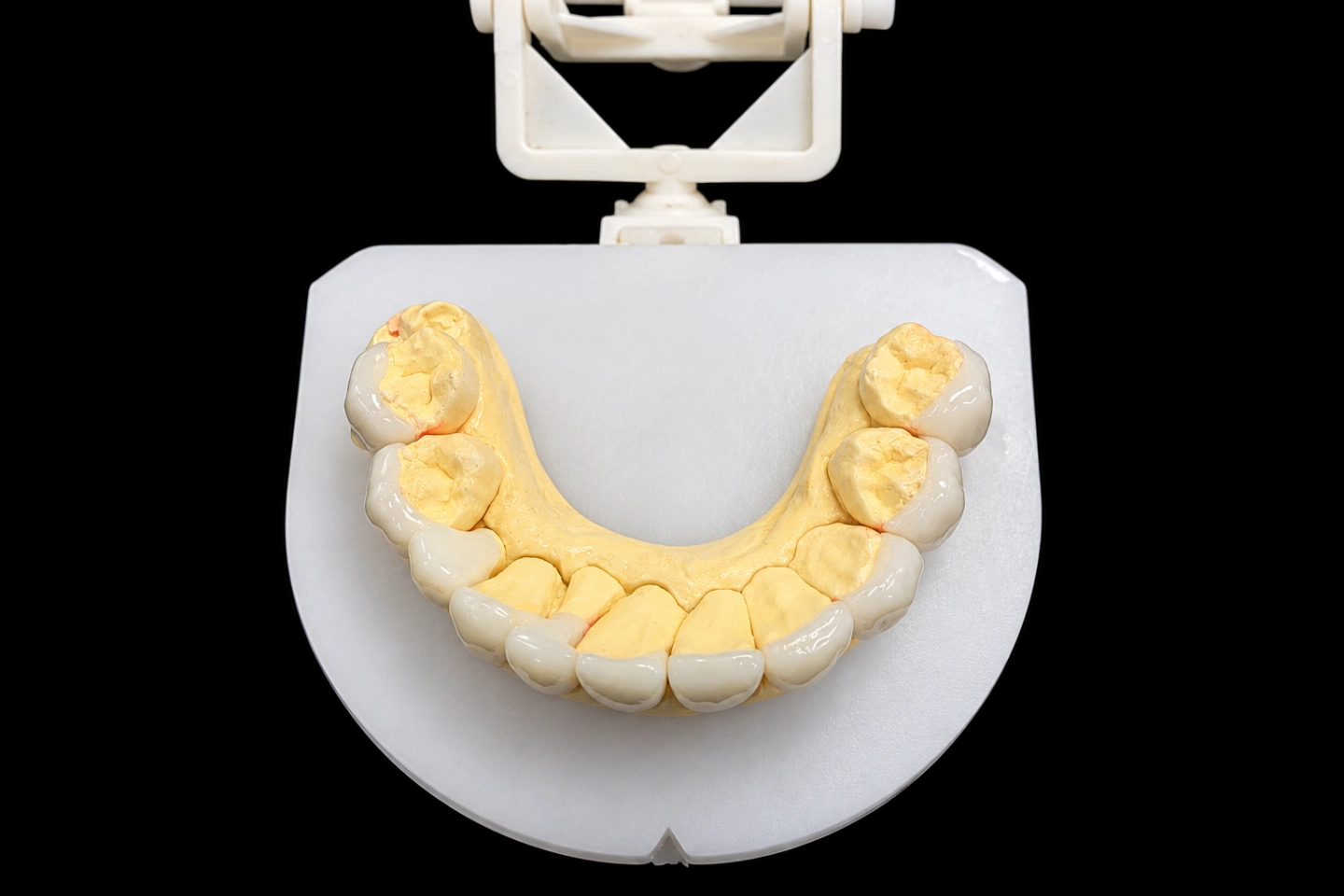
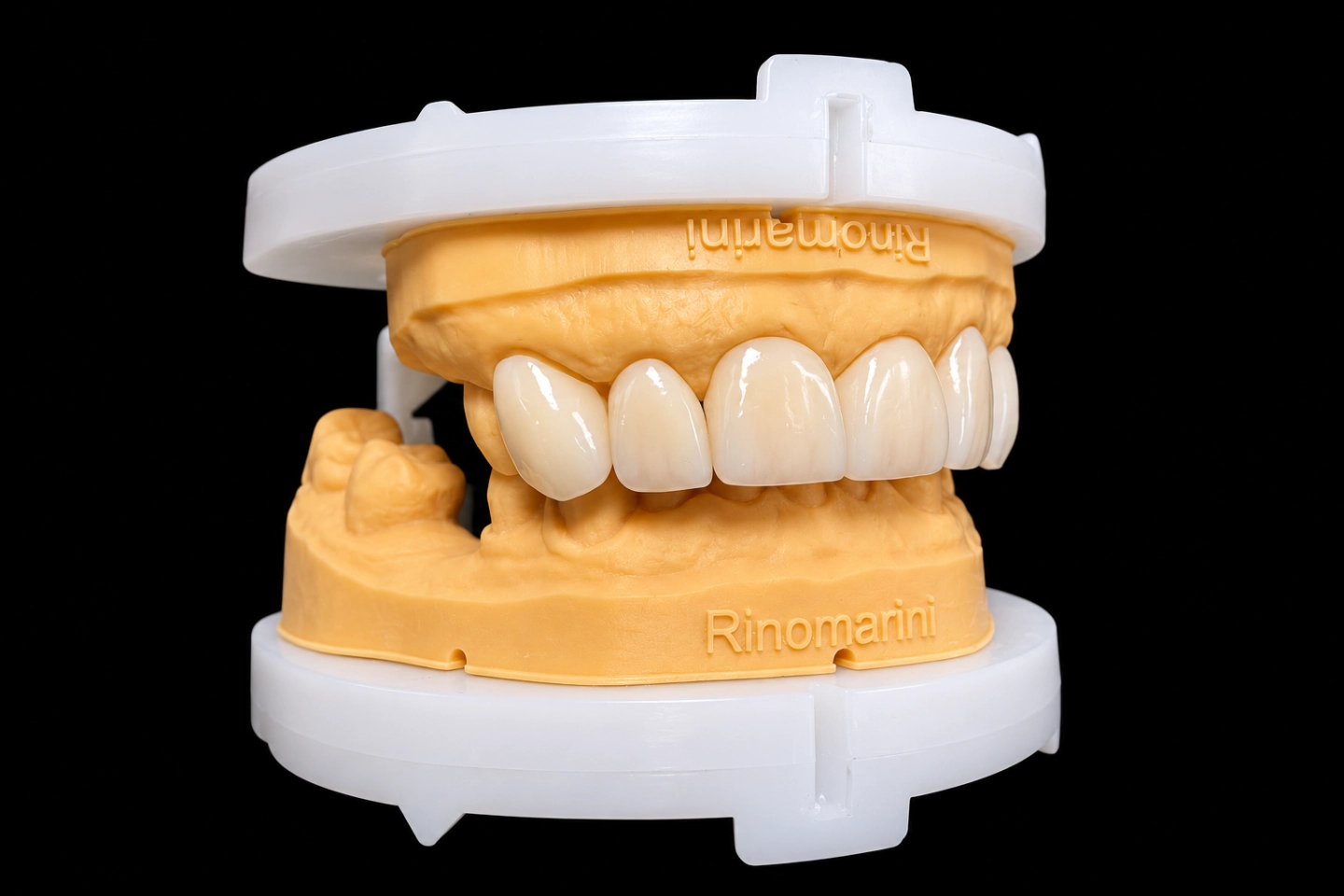
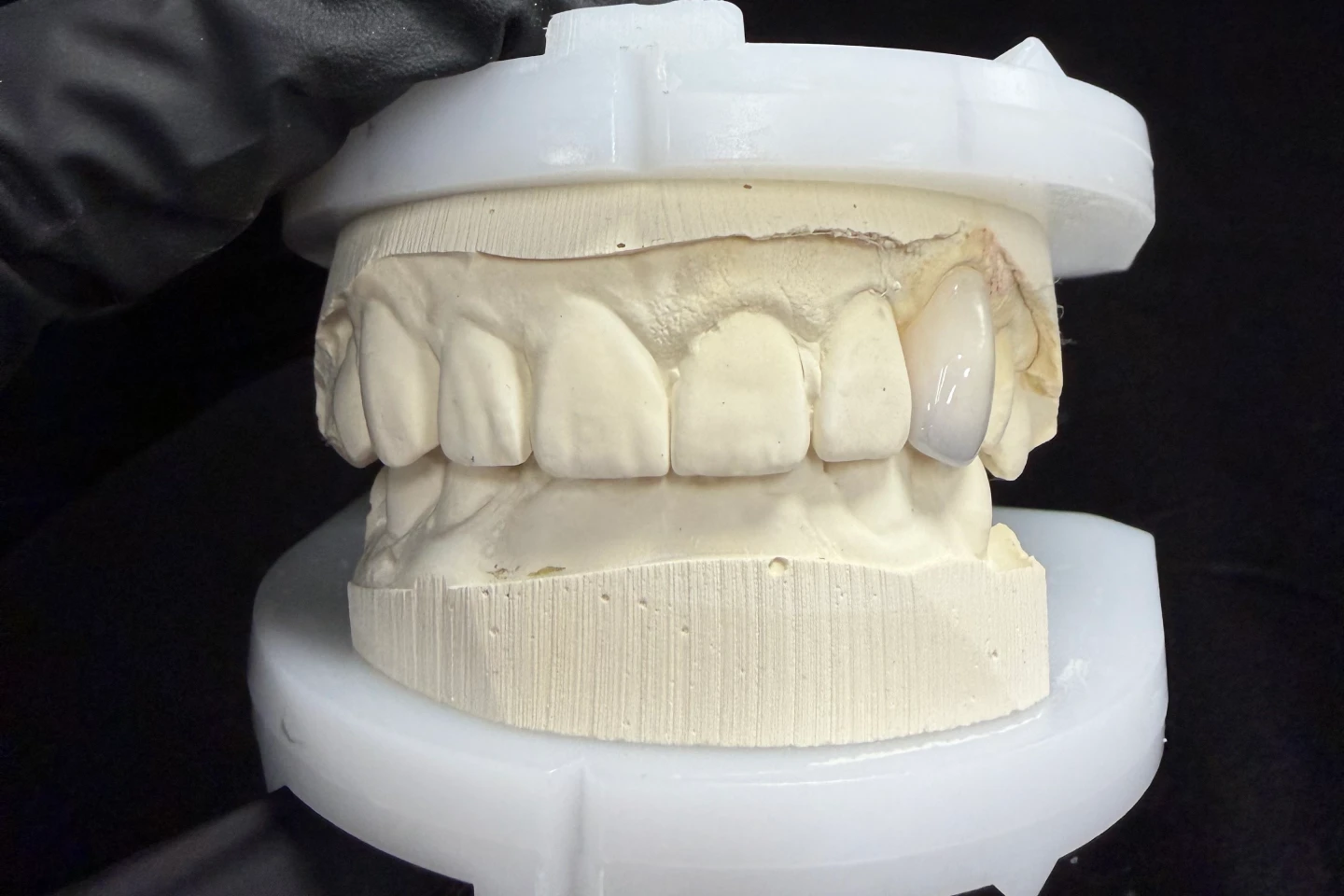
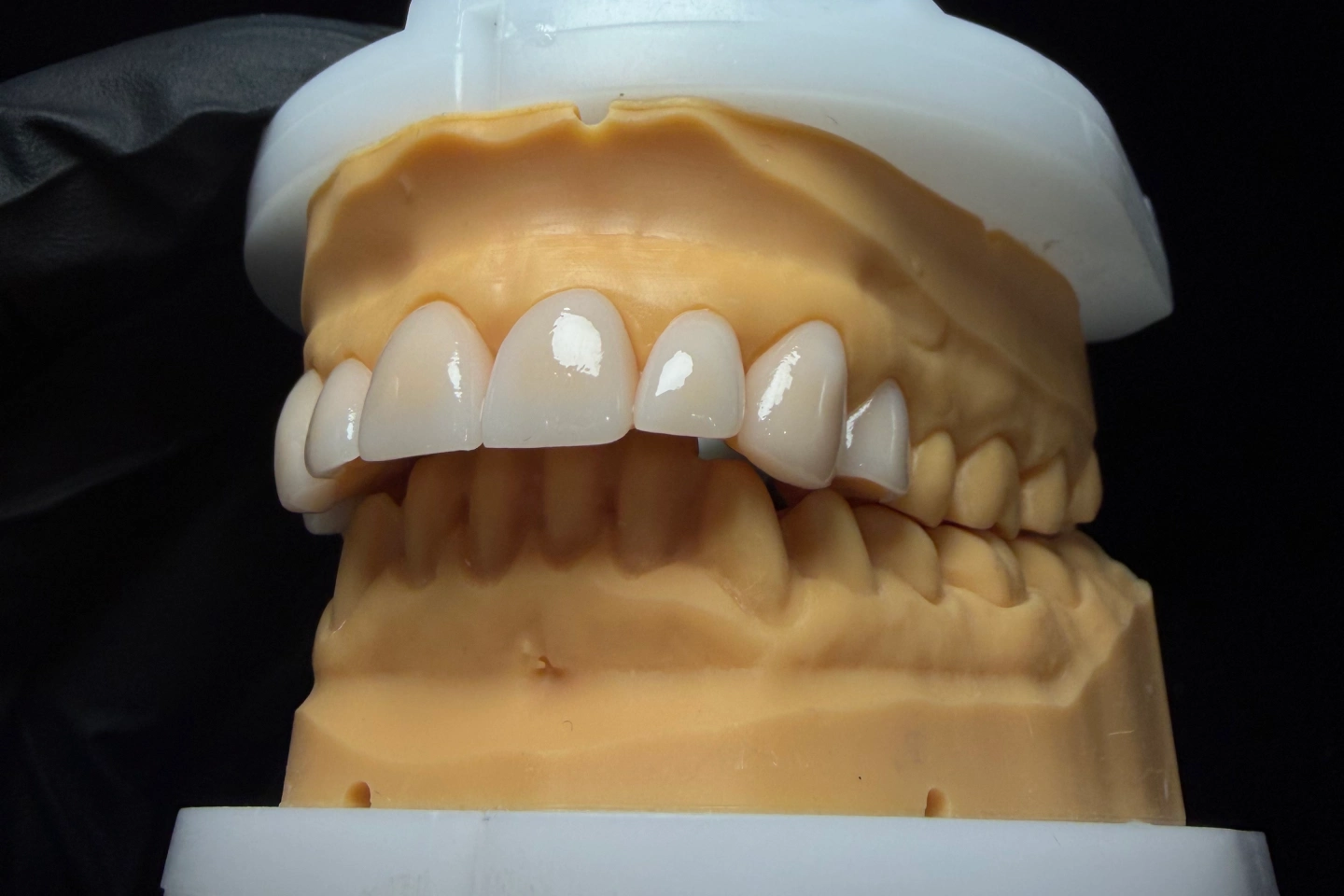
Cases from our lab
Questions
Which build should I choose for a single central?
Micro-layered covers most single anterior teeth. A central that has to match a natural lateral with visible incisal effects is worth building fully layered, and a tooth with tight clearance is safer monolithic and stained.
What if the shade does not match?
It is on the free remake list. Most misses are preventable upstream, which is why we ask for the stump photograph next to a tab. A case that arrives with a readable stump shade rarely comes back for color.
Do you need a scan, or will an impression work?
Both work. Digital cases skip the model shipment, which is where most of the cross-border delay sits; the production time is the same either way. Working arch, opposing arch, and a bite record are needed in either format, and on a scan the margin has to be outlined by hand rather than accepted from software auto-detection.
Can you match the tooth next to it?
Yes, and that is the usual brief for anterior emax veneers. Send the adjacent tooth in the same frame as the shade tab, plus a PLY scan if the case is anterior and esthetic. We build to the neighbor rather than to an idealized shade.
Can I see a mock-up before we prepare?
Yes. Diagnostic wax-ups, mock-ups, and provisionals are available as add-ons, and you can review the CAD design before anything is cut.
How long does a remake take if something is wrong?
3 to 5 days, at the front of the production queue, at no charge when the problem is on our list.
Order a case
Send a photograph of the tooth, the tooth number, and the build route you have in mind. You get back the route we would use, anything we would flag about the preparation, and a case-specific quote. Full cost is confirmed before production starts.
For the Rx template, file formats, scan requirements, and the shipping address, see How to Send a Case. To open an account or discuss volume, our contact team answers on WhatsApp and email, and we set up a case group with a named coordinator rather than a shared inbox.
The rest of the veneer range sits on our Veneer Lab page, including ceramic veneers and composite veneers. The E.max department covers crowns, inlays, and onlays in the same material, and our zirconia department builds the same anterior teeth when load is the deciding factor. For material background on lithium disilicate, press versus CAD, and how thickness and stump value interact, read Emax Veneers: What You Need to Know.