Veneers, From Wax-Up to Final Shade
Istar Digital Dental Lab makes veneers for dentists, clinics and dental labs: pressed e.max, zirconia and composite veneers, plus the wax-ups, mock-ups and provisionals that come before them. A veneer leaves little room to hide anything. The tooth underneath shows through the ceramic, and a small change in shape shows across the whole smile, so we treat your records and your sign-off on the design as part of the restoration.
The Veneers We Make
Each of our three veneer materials suits a different kind of case. All of them are made in our own labs in Shenzhen and Huizhou; we don’t send work out to other labs.
Pressed lithium disilicate (IPS e.max Press) and our first choice for most veneer cases. It gives the most lifelike translucency of anything we make, and as a glass ceramic it is etched and bonded adhesively with a resin cement such as Variolink or RelyX Ultimate. In a 2025 meta-analysis of ceramic laminate veneers, lithium disilicate veneers had far lower long-term complication rates than feldspathic or leucite-reinforced ones. Best for: discoloration, including fluorosis and tetracycline staining; enamel hypoplasia and enamel defects on otherwise sound teeth; anterior diastemas under 3 mm; minor malalignment; undersized teeth. Think twice: with bruxism or a heavy anterior bite. → Material and shade options for e.max: E.max Dental Crowns and Bridges
Stronger and more wear-resistant than glass ceramic, for patients whose bite would put an e.max veneer at risk. For heavy biters, we add thickness where the load falls and keep the contacts broad and even. The trade-offs: zirconia is less translucent, and it can’t be etched, so it’s bonded with an MDP-containing resin cement. Its clinical record is also younger; the same meta-analysis found good short-term results for zirconia veneers but no long-term studies yet. Best for: bruxism and heavy anterior function. Think twice: where the bite is light and esthetics come first. → Zirconia Dental Lab
Lab-made composite veneers need the least tooth reduction of anything we make, and the material has a natural translucency. It is weaker than ceramic, though, and stains and wears more readily, so it is a short-term esthetic option rather than one built to last. Best for: cases where keeping reduction to a minimum comes first, and transitional esthetics while a ceramic plan is still taking shape. Think twice: where the veneers have to hold their color and surface for years. A ceramic veneer is the better choice there.
What Decides a Dental Veneer's Final Shade
A dental veneer’s final color is the sum of the stump, the cement and the ceramic, and the thinner the ceramic, the more the other two show. In an in vitro study of pressed e.max veneers bonded to gray-discolored teeth, 0.50 mm veneers matched the target shade less closely than 0.75 mm veneers, the cement shade changed the result, and the cervical and incisal areas were harder to match than the body.
So we plan a veneer from the stump, not from the shade tab. The stump shade tells our technician whether the veneer needs masking, and how much of its thickness has to go to that before any is left for translucency and incisal effects. A light stump leaves room for a translucent, characterized veneer. A dark or discolored one needs more ceramic, or a more opaque one, to hide it.
When the room you’ve left is short of what the shade change needs, we put strength first: we hold back on layered effects and accept some loss of incisal translucency and opalescence. Our technicians measure the available space on the model before production, and if a little more reduction would solve it, we’ll tell you which tooth and by how much.
What to Send With a Veneer Case
The Essentials
An intraoral scan, or a VPS or polyether impression, with the bite. For anterior veneers, export a color PLY so we can see shade, surface texture and gingival color, which an STL doesn’t carry. On the prescription, give the material, the target shade and the stump shade.
Two Shade Photos
Two photos do the most for a veneer’s color: the tooth next to the shade tab, and the prepared stump next to the shade tab. Pick the shade by eye in daylight, with the teeth clean and moist. Then photograph with a 5500K ring or twin flash, with the tab and the neighboring teeth in the same frame. Phone cameras filter color, so use a camera. If a photo can’t capture it, mail us the physical shade tab or an old restoration to match.
The Smile Record
For multi-unit and smile-design cases, add full-face photos smiling and at rest, a profile view and intraoral views. Send a pre-op scan, the mock-up scan if you’ve tried one in, and the opposing arch with the bite in maximum intercuspation. Mark the midline and any proportions you want on the scan or impression, and include reference photos of the smile your patient is after, or your DSD plan.
Characterization
Describe the incisal translucency and surface texture you want on the prescription. For white spots, craze lines, translucent bands or an incisal halo that are hard to put into words, send a clear close-up of the neighboring teeth, or a short video, and we’ll reproduce what we see.
→ File formats, size limits and folder naming: Send a Case guide
Approve the Design Before Production
Every anterior veneer case gets a design preview before production, and any other veneer case can on request. We design from what you send: your wax-up or mock-up, an adjusted provisional whose shape and anterior guidance you want carried over, a mirrored contralateral tooth, old photos or a sketch.
We send screenshots or the STL by email or in your case chat. Circle what you want changed on the image, and we’ll revise it. You can change the contour, shade, occlusion, contacts or material at this stage, and the final decision is yours; we never change the material without your consent. The preview also flags what we see as risks, such as an unclear margin, an occlusal interference or a gap in the scan.
Approval adds 1–2 working days, and the time spent waiting for your reply isn’t counted against our lab time. A change after approval doesn’t change the fee, and if it comes early, it doesn’t change the timeline either.
How Our Veneer Lab Makes and Checks Each Case
Veneer cases go to our dedicated esthetic group, where the group leader assigns them. Every hand step a veneer lab adds happens there, on your case, against the design you approved.
Characterized by Hand
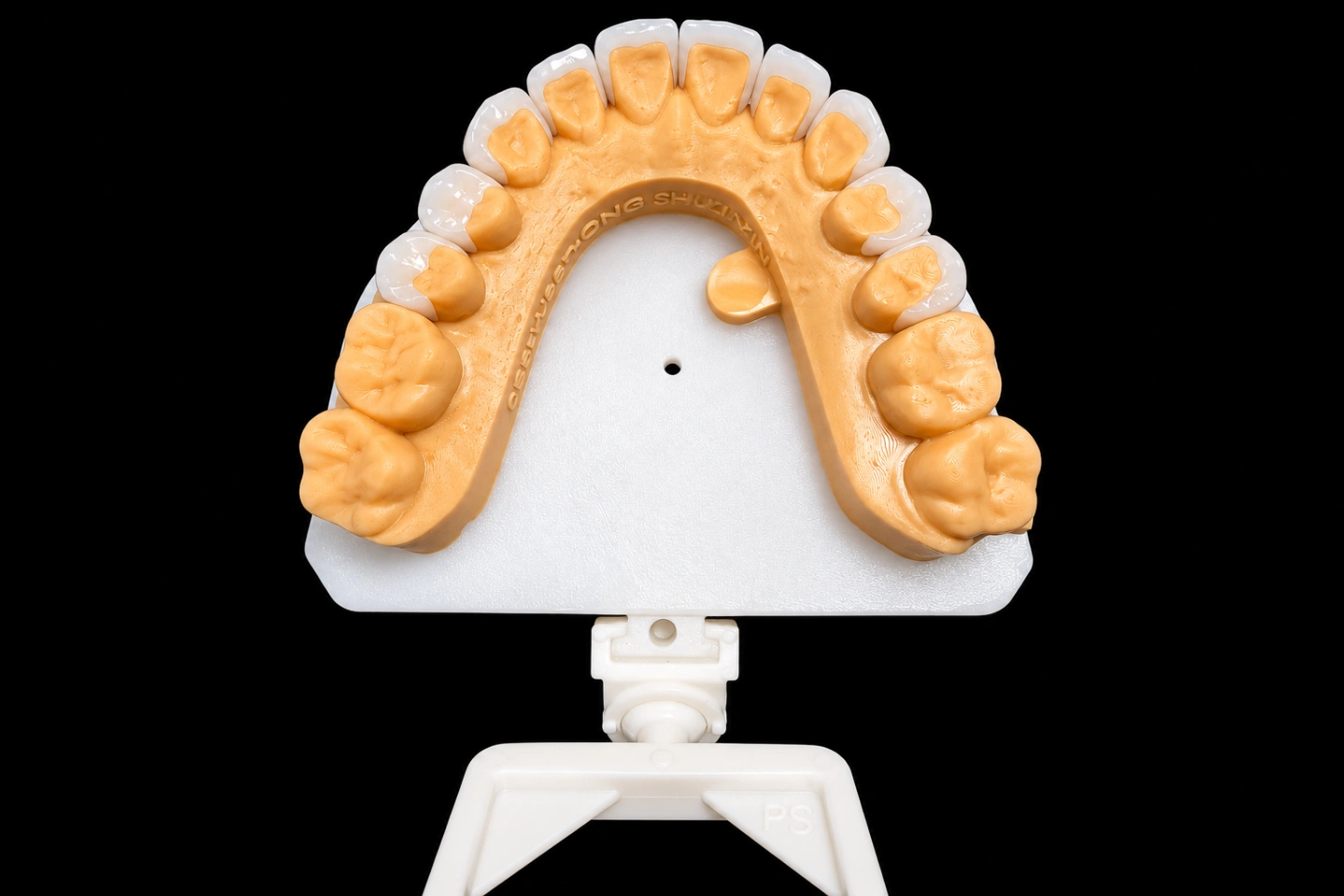
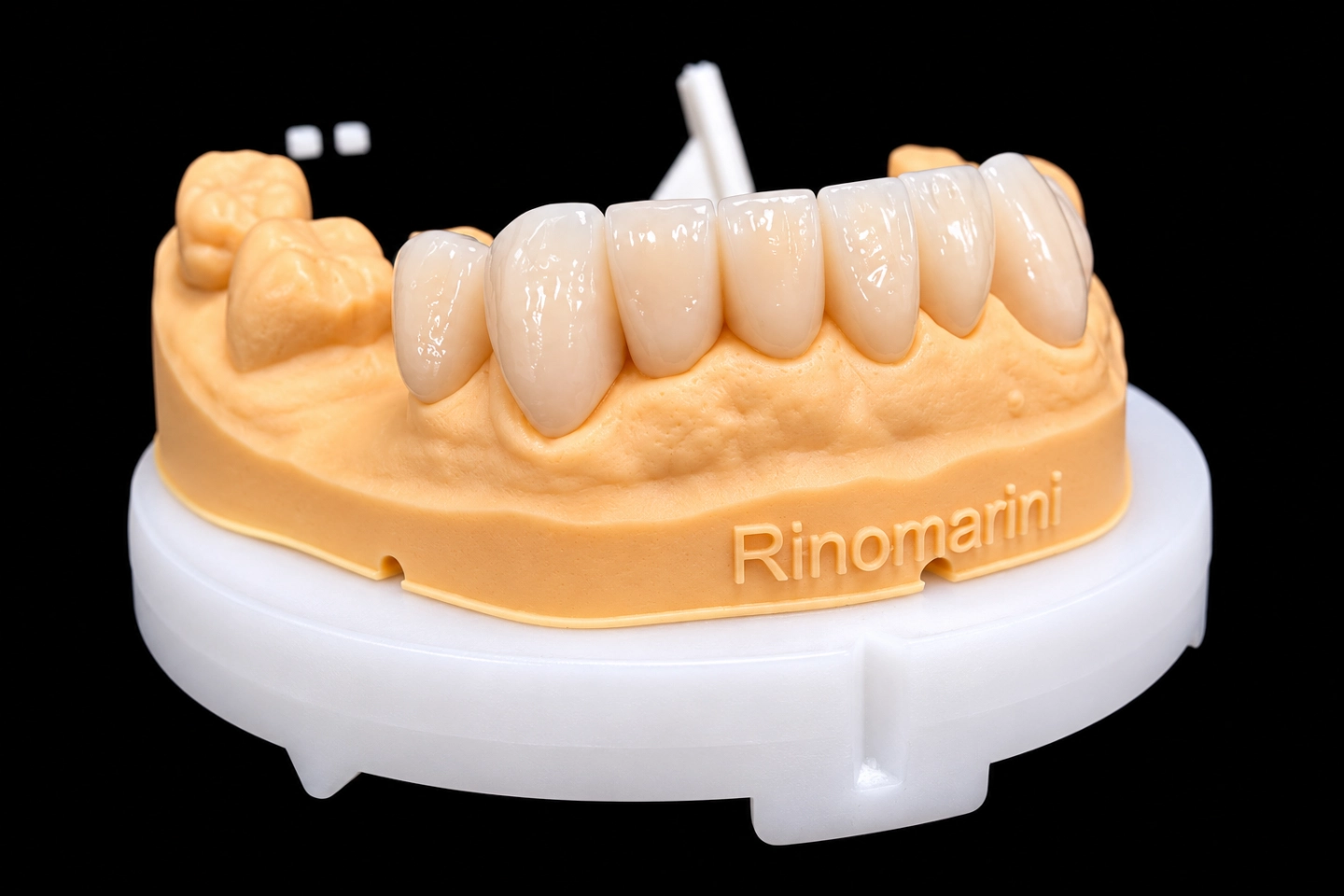
We press e.max veneers and mill zirconia veneers from the approved design. Our technicians then stain and characterize each ceramic veneer by hand: the shade gradient, incisal translucency, opalescence, fluorescence and surface texture.
Shade Checked Before and After Firing
We compare color before and after each firing. Final inspection checks shade, translucency, fluorescence, surface texture and left-right symmetry against your approved references, under a standardized light source.
Fit Checked Again After Glazing
A glaze firing can shift a contact or open a margin, so contacts, occlusion and margins are checked again after it. The finished veneers are then compared with the approved design, by digital overlay for digital cases.
Traceable, With Photos on Request
Every case number traces back to the technicians, material batches and inspection results behind it. Ask, and we’ll photograph your finished veneers before they ship.
→ Our full inspection process: Crown and Bridge Dental Lab
Matching Across Units and Visits
Six or ten veneers in one smile have to read as one set, and the next case for the same patient has to match them. We keep the contours of every multi-unit design on file and record the stain recipe for each veneer. Repeat work is made against the same confirmed shade reference, photos and design files, with the material batch and firing parameters held, and each batch is checked against a reference sample.
Your preferences for shade, contour, contacts and surface finish are kept in writing and applied to every new case, and a DSO can keep separate preferences for each dentist. Our four labs use nearly the same materials but have their own technician teams. We can show you how the teams compare on your work and keep your cases with the one you prefer, or with a technician you name.
Veneer Work for Dental Labs
If your lab handles part of a veneer case in-house, send us the rest: CAD design only, or porcelain application, glazing and polishing. We accept editable exocad and 3Shape files, follow your naming and labeling, and can ship straight to your dentist’s address; the waybill still shows our sender address. We never contact your dentists, and we’ll sign an NDA.
Working With Istar Digital on Veneers
Start With One Veneer Case
Two veneers on the upper centrals show you how we handle shape, symmetry and color at once. A single central next to a natural tooth is the hardest match in esthetic work, which makes it a good test too. Single trial cases are welcome; an ongoing partnership works best with a regular flow of cases.
Quotes and Price List
The number of units sets the base, the material sets the unit price, and design complexity adds to it. Quotes are itemized to your requirements, and you can confirm the full cost before production. Your sales manager sends the current price list on request.
Timing and Rush
We confirm the lab time for your veneer case with the quote, counted from the day complete records arrive. If you send 10 or more cases a month, rush service is free for every case type. We guarantee a rush case’s ship date; arrival depends on transit and customs.
Remakes and Credentials
If a veneer arrives with an inaccurate shade, poor seating, an open margin or contact, a high bite, a visible flaw or an unattractive form, we remake or adjust it free and pay to ship it back to you. A new target shade or material chosen after delivery is a new case, and so is a case made from a record we had already flagged (Remake and Warranty Policy).
Istar Digital is an FDA-registered establishment, Registration Number 3039441248, and our device listing in the FDA establishment registration and device listing database covers custom veneers. Our labs run an ISO 13485 quality management system, restorations for the EU follow the MDR custom-made device procedure, and you’re welcome to tour our labs in person or by live video.
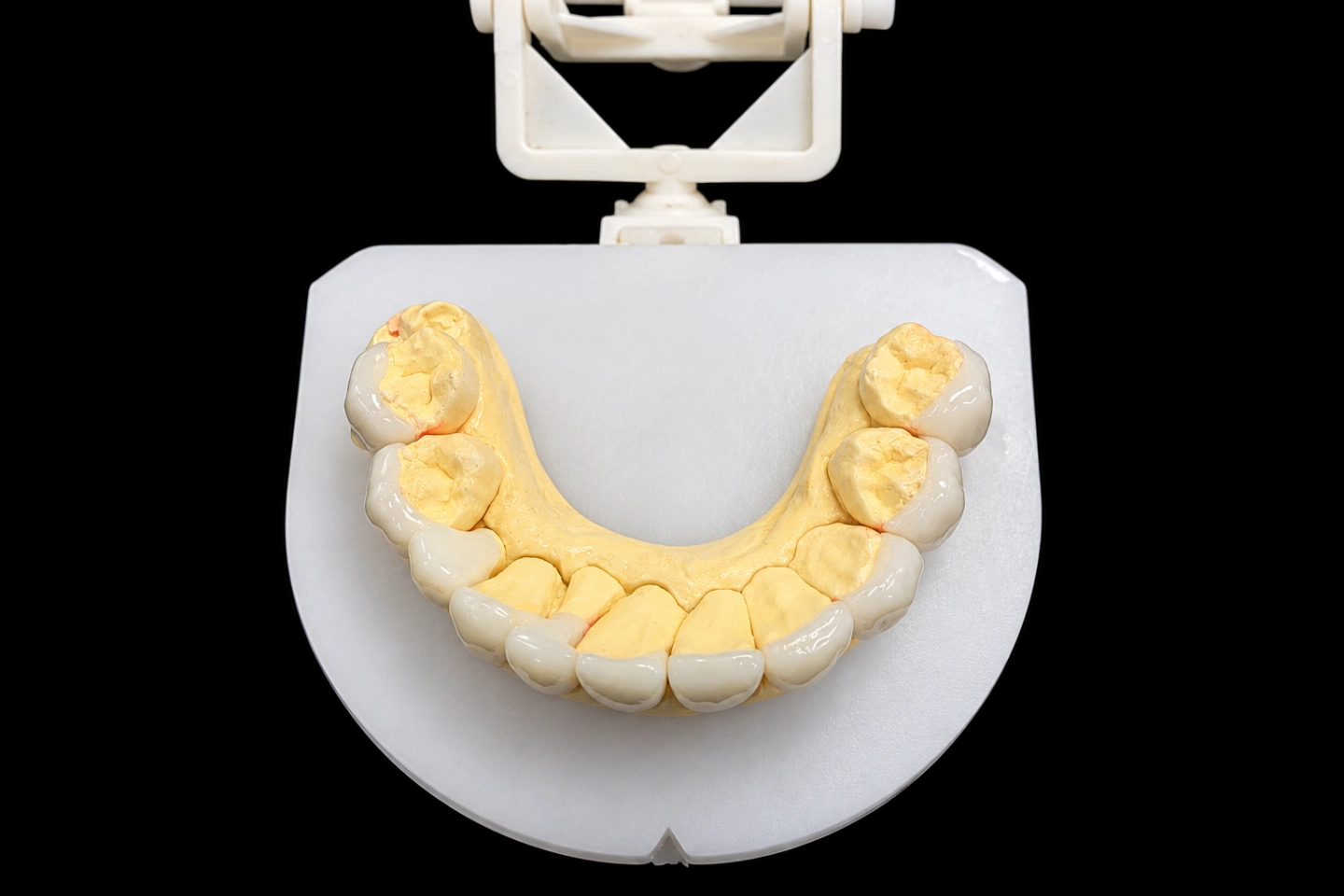
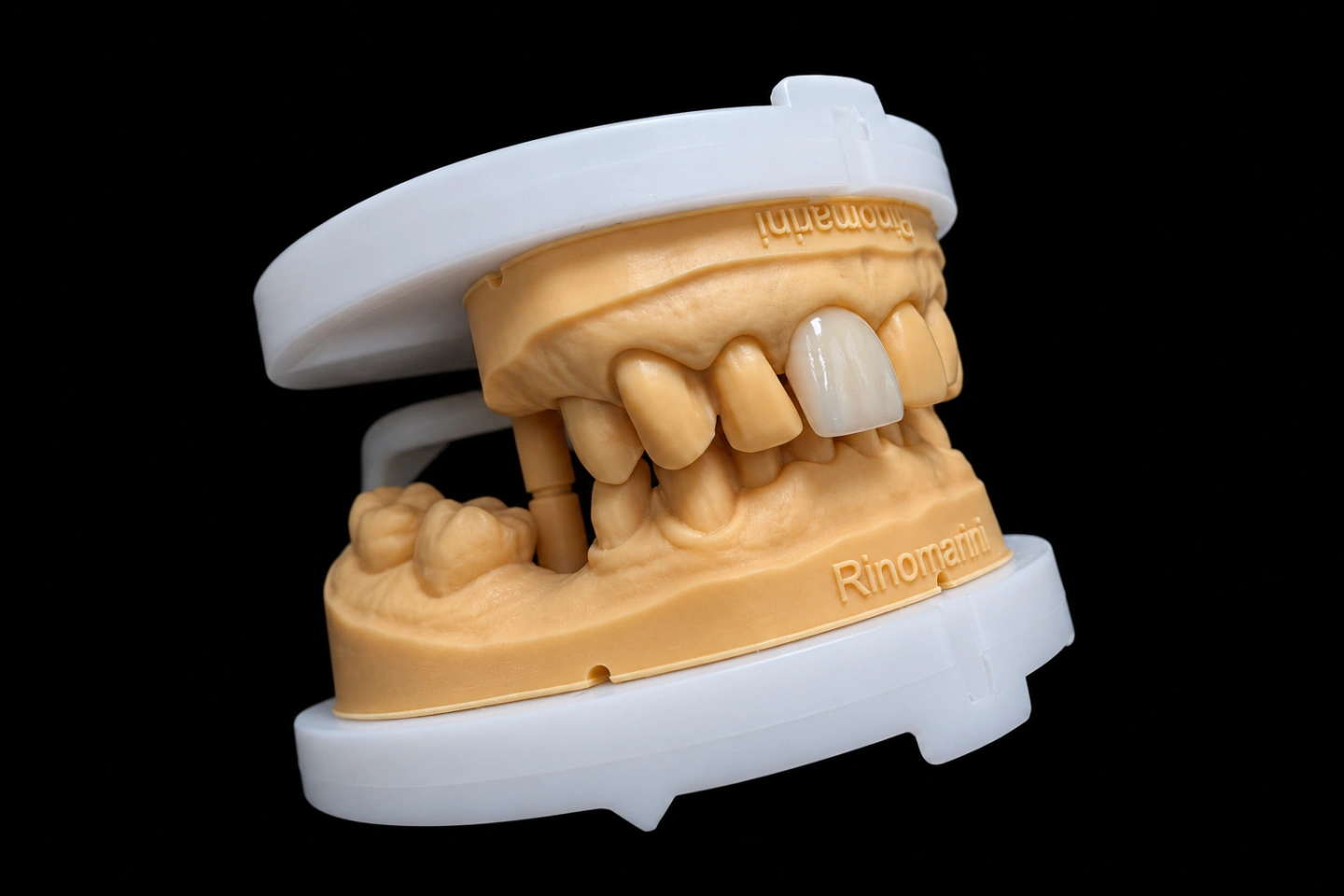
Cases from our lab
Frequently Asked Questions
We adjusted a veneer chairside. How should we finish it?
Grinding removes the glaze from glass ceramic. Smooth the area with a Sof-Lex kit or flexible ceramic polishers, coarse to fine. Zirconia is harder and needs its own polishing kit, worked step by step until the scratches are gone.
A veneer needs a remake. What should we send?
Report it within 24 hours of receiving the case, with the patient’s name, the case number, the problem and photos of it. If the veneer seated well but chipped, we can remake it from the original data. For seating, margin or bite problems, we need a new scan or impression. Send back physical restorations; remakes go to the front of the production queue.
Can you make a night guard to protect a patient's veneers?
Yes. We make custom hard, soft and dual-laminate occlusal splints. Send a scan of the arch with the veneers in place, along with a bite record.
Send Your First Veneer Case
Tell us your scanner, how many veneer cases you place in a typical month and the materials you prescribe most. Your sales manager will reply with the price list and set up your account, so your first veneer case arrives with everything our technicians need.