Dental Retainers Made to Your Rx: Hawley, Clear, and Bonded
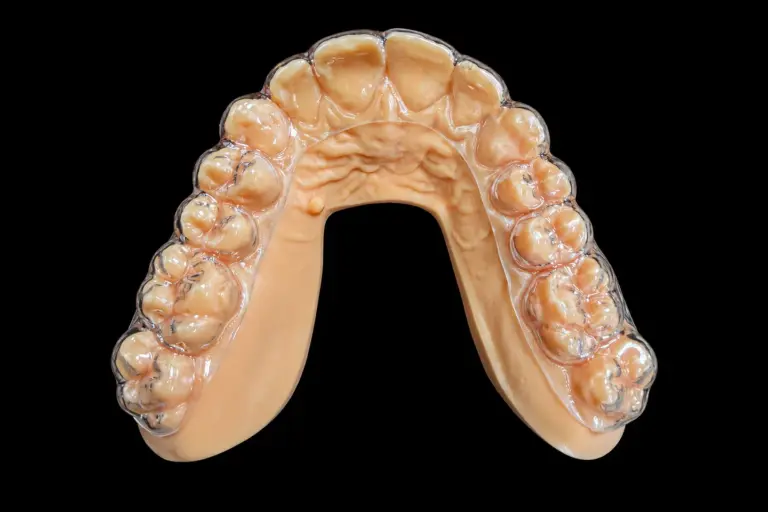
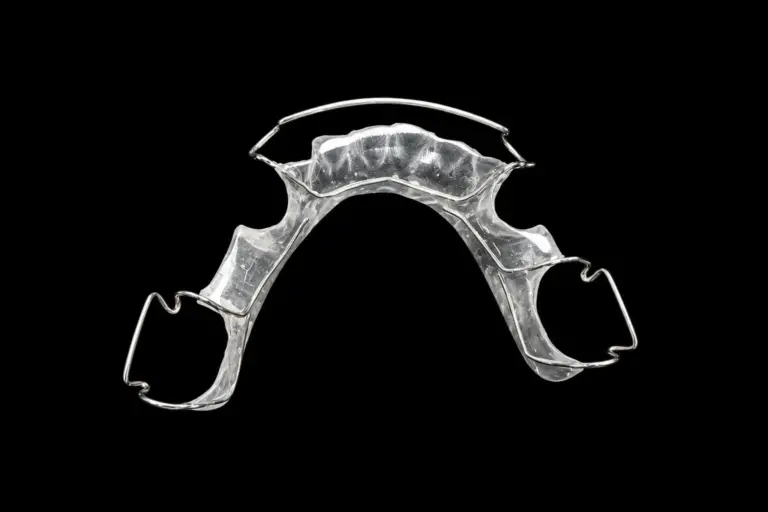
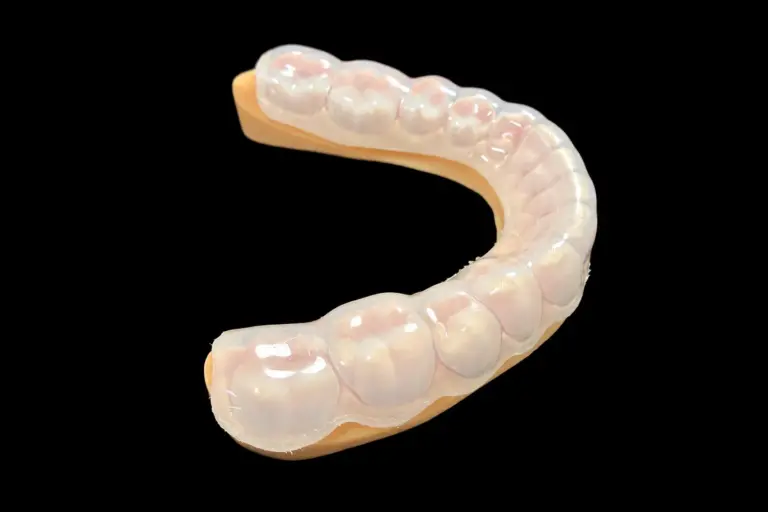
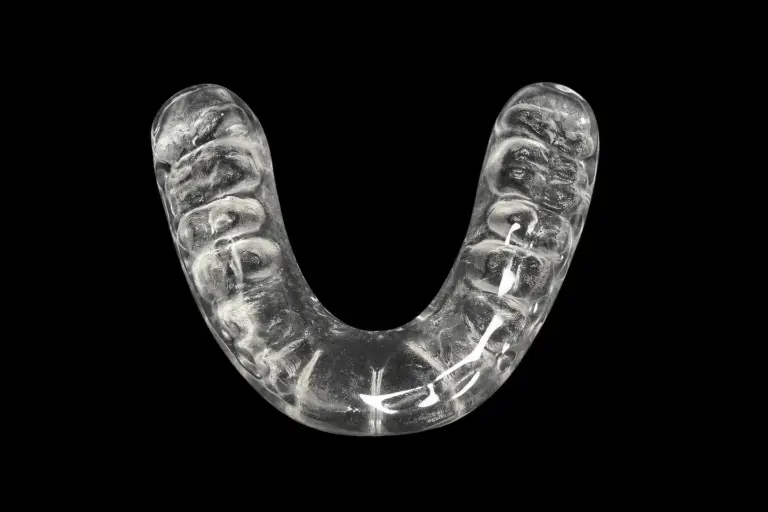
Istar Digital Dental Lab makes every dental retainer to a dentist’s prescription, from your scans or impressions, for dental clinics, DSOs, and dental labs. We make Hawley retainers, clear thermoformed retainers, and bonded lingual retainers, so a fixed, removable, or dual retention plan can go to one lab.
We work only with dental professionals. If you’re a patient looking for a replacement retainer, your dentist or orthodontist can send the case to us.
Dental Retainer Types We Make
| Hawley retainer | Clear retainer | Bonded lingual retainer | |
|---|---|---|---|
| Construction | Acrylic base with a labial bow and clasps | Thermoplastic shell formed over a model of the arch | Wire bonded to the lingual or palatal surfaces of the anterior teeth |
| Removable by the patient | Yes | Yes | No |
| Occlusal surfaces | Left free | Covered | Left free |
| Adjustable after delivery | Yes, at the labial bow loops and clasps | No | No; a debonded or broken wire is rebonded or replaced chairside |
| Main trade-off | More visible, and less comfortable than a clear shell | Cracks, wears through, or loses fit, and then has to be replaced | Retention doesn’t depend on patient wear, but the wire needs careful hygiene around it |
Bonded retainers are made on your model and bonded in your office. For more on the two removable designs, see our Hawley orthodontic retainers and Essix orthodontic retainers pages.
Choosing a Removable Orthodontic Retainer or a Bonded One
No single retainer has been shown to hold alignment best. The 2023 Cochrane review of retention after braces, covering 47 trials and 4,377 participants, rated the evidence low to very low certainty and drew no firm conclusion. Its individual comparisons still help when you set the trade-offs against a specific patient:
- Clear vs Hawley, lower arch: similar stability. Hawley retainers failed less often, and clear retainers were more comfortable at six months.
- Clear removable vs fixed, lower arch: the fixed retainer held alignment slightly better, but the difference stayed below the review’s 1 mm threshold for clinical importance. Gingival health was better with the clear retainer.
The choice of removable orthodontic retainer also decides what happens when something goes wrong. A Hawley can be adjusted at the bow loops, and a damaged one can often be repaired. A clear retainer can’t be adjusted, so a cracked, perforated, or loose shell means a new one. For patients who are hard on appliances, that difference shows up in your remake and replacement costs.
What to Put on an Orthodontic Retainer Rx
Design, thickness, and coverage are clinical decisions. We make the retainer to what you write rather than to a house default, so a complete Rx covers:
- Arch: upper, lower, or both.
- Retainer type: Hawley, clear, or bonded lingual.
- Hawley design: clasp type and position, labial bow, and the extent of the acrylic base.
- Clear retainer: the sheet thickness you want and whether it refers to the starting sheet or the finished retainer, plus the trim line or extension. If you prefer a particular sheet brand, name it and we’ll use it.
- Bonded lingual retainer: the teeth the wire should span, and the wire you prefer.
- Anything already in the mouth: an existing bonded wire, attachments, or restorations the appliance has to fit around.
If the Rx and the records don’t agree, for example the Rx names an arch the records don’t include, we contact you before we start rather than guessing. Our standard Rx form has a notes field for these details.
Clear Retainer Thickness: Starting Sheet vs Finished Shell
A clear retainer is usually prescribed by the thickness of the sheet before forming, but the finished shell is thinner and not evenly thinner. In a laboratory study of 48 thermoformed retainers, 1 mm PETG pressure-formed lower retainers thinned by about 68% at the mid-labial surface of the incisors, leaving roughly 0.32 mm there. The authors found no clear advantage for any forming machine or material. Sheet thickness and tooth shape drove the result.
Material matters too. In a standardized wear test of four retainer sheets, the polypropylene sheet wore significantly more than the three copolyester sheets. That is why the sheet brand belongs on the Rx if you have a preference.
Because forming changes the thickness, we measure the finished dental retainer, not just the sheet. Each clear retainer is checked with calipers at several points and compared with the thickness on your Rx, finished or starting sheet, whichever you specified.
How We Make and Check Each Dental Retainer
Records Check
Digital scans are checked within one working day of upload. If a scan has noise, missing areas, a bite error, or holes, we tell you right away so the rescan can happen while the patient is still easy to reach. Physical impressions are checked on arrival for distortion, bubbles, an incomplete arch, and an incorrect bite.
Printed Models and Bite Verification
We form retainers on 3D-printed models, which in our experience reproduce the scan more accurately than milled models. Our printers are checked against standard test pieces at regular intervals, so dimensional drift shows up on a test print, not on a retainer. More on the equipment side is on our 3D printing dental lab page.
Before fabrication, the scan and the bite record are checked against each other, and the models are mounted on an articulator to verify the occlusion a second time.
Forming and Finishing
Clear retainers are thermoformed. The sheet is heated evenly, adapted under stable pressure, and cooled at a steady rate while still under pressure before it’s released from the model. The borders are then trimmed and polished. The tissue-side surface is only lightly touched up, if at all, because heavy grinding there is a common reason a retainer won’t seat.
Final Inspection
Along with the thickness readings on clear retainers, every retainer is inspected on the model before packing:
| Check | What we look for |
|---|---|
| Borders | Smooth to the touch, no burrs, sharp spots, or lifted edges, extension as prescribed |
| Adaptation | Close fit to the model with no gaps |
| Retention | Seating and removal on the model to judge grip |
| Material | No cracks, bubbles, or inclusions |
A retainer that fails any check is remade before it ships, not sent with a note. The patient ID stays on the work order, model, and retainer from intake to shipping, and each finished retainer is cleaned with high-pressure washing, disinfected, and packed individually with its patient label.
Across all our product lines, 95% of cases pass final inspection the first time. That’s measured in our lab before shipping. The figure that matters more to you is our remake rate, the share of cases clients send back, which runs at 2–3% across the lab.
Sending a Dental Retainer Case
| Digital case | Impression case | |
|---|---|---|
| Arches | Full-arch scans of both arches | Full-arch VPS or polyether impressions of both arches |
| Format | STL, PLY, OBJ, DCM, or 3Shape .3oxz, from 3Shape TRIOS, Medit, iTero, CEREC, Shining3D, or Planmeca | Alginate isn’t suitable for international shipping: it loses water, shrinks, and distorts in transit |
| Bite record | Digital bite scan | VPS bite registration rather than wax, which softens and distorts in transit |
| How to send | Email, WeTransfer, 3Shape Communicate, or Medit Link; one zipped folder per case (not RAR), one case ID across files and Rx | Disinfect, pack, and ship with your Rx, then send us the tracking number. We can provide a shipping waybill |
| Overall time | Shorter: no inbound shipping or customs | Add transit and customs time |
For scan export settings and file-size limits, see our digital dental laboratory page. For packing impressions, follow our how-to-send guide.
Turnaround, Rush Cases, and Pricing
Lab time is counted in working days from the day we receive complete records. Time spent waiting for missing records or answers to our questions isn’t counted, and neither are weekends, Chinese public holidays, international shipping, or customs clearance. We notify you when production is complete and again when the case ships, with the tracking number.
Rush service is free for all case types for clients who send 10 or more cases a month. On a rush case we guarantee the ship date; the arrival date depends on the courier and customs.
Quotes are itemized to what you order rather than bundled. You pay to send impressions, models, or a retainer returned for remake to us, and we pay to ship finished retainers back to you, remakes included. Request our current price list for retainer fees, and ask us for the current lab time for the retainer type you need.
Remakes
Report any problem within 24 hours of receiving the case, with the patient name, case number, the product, a description, and photos, and we’ll identify the cause with you before remaking.
Lab-caused problems, such as a dental retainer that doesn’t seat, lifted borders, clasps placed where they don’t work, or a bite that doesn’t match the records, are remade free of charge, and remakes go to the front of the production queue. If the retainer doesn’t seat or the bite is off, a new scan or impression usually comes with the return, so the remake isn’t built on the same records.
A remake is charged when the requirements change after production, or when we flagged a poor impression or scan before starting and you asked us to proceed with it anyway.
Why Clinics and Labs Send Us Their Retainers
Istar Digital Dental Lab has made dental restorations and appliances since 2012. We run four labs of our own in Shenzhen and Huizhou, China, with about 460 staff, and nothing is outsourced. Each lab has its own technician and service teams, so a practice or lab with steady volume can keep its cases with the team it prefers.
Istar Digital Dental Lab is an FDA-registered establishment, Registration Number 3039441248, which you can verify in the FDA establishment registration database. Our labs operate under an ISO 13485 quality management system. You’re welcome to see the retainer line for yourself on an on-site visit or a video tour of the factory; learn more about Istar Digital.
Dental Retainer FAQs
Can a clear retainer double as a night guard?
No. A clear retainer is a thin shell designed to hold tooth position, not to take grinding forces, and a patient who grinds can wear through it. If a patient needs protection from bruxism, prescribe a separate guard; we make those on our night guard dental lab line.
A patient lost a retainer. Can you remake it from the scan you already have?
If the original retainer fit well and the arch hasn’t changed, we can work from the records we already have, so a lost or broken retainer doesn’t always need a new scan. Whether the old records still match the patient’s arch is your call. If the fit had changed before the loss, send a new scan.
Can you switch materials if my specified sheet isn't available?
Only with your consent. We never substitute a material without asking first, and a verbal or written OK both count.
Can you ship finished retainers straight to my client's clinic?
Yes. Dental labs can have finished retainers delivered to any address they give us, such as the prescribing office. The sender address on the waybill can’t be changed.
What if a case arrives damaged?
Within 24 hours of delivery, send us an unboxing video that shows the courier label, along with the damaged retainer, and keep the original packaging. With that evidence, we remake it free of charge. Damage after delivery is remade at cost.
Send Your First Dental Retainer Case
A dental retainer is a low-risk way to test a new lab on one of your own patients. Single trial cases are welcome, and ongoing partnerships work best with a regular flow of cases.
- Start a case: upload your scans or ship your impressions with a completed Rx form.
- Ordering retainers in volume, or for several prescribers? Talk to our team about setting up your account. Customer service works 9:30 a.m. to 6:00 p.m. China time (UTC+8) and stays available until midnight for urgent cases.